
Chamadao – Legacy of Buddhism on the Tea Horse Road
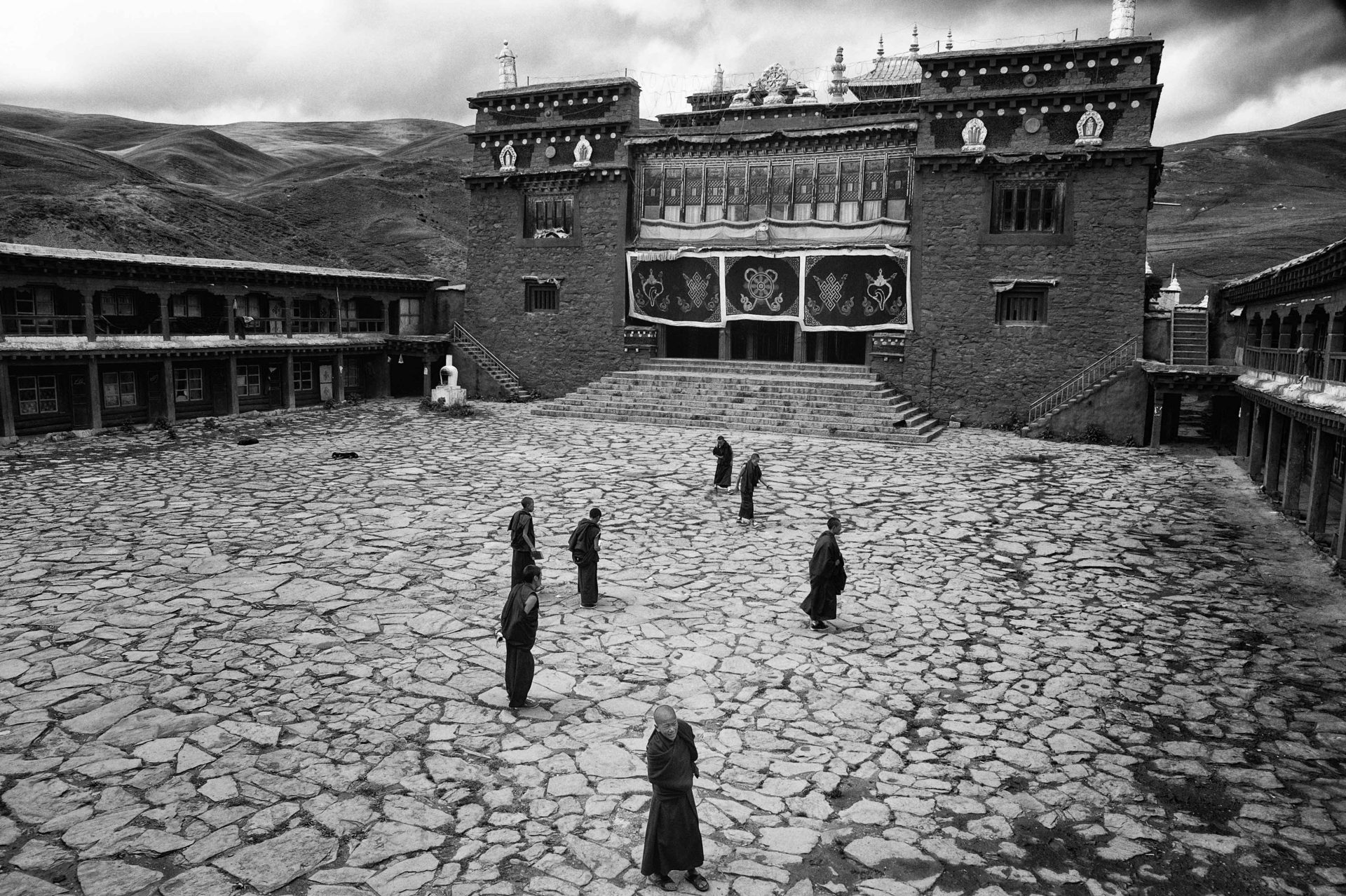
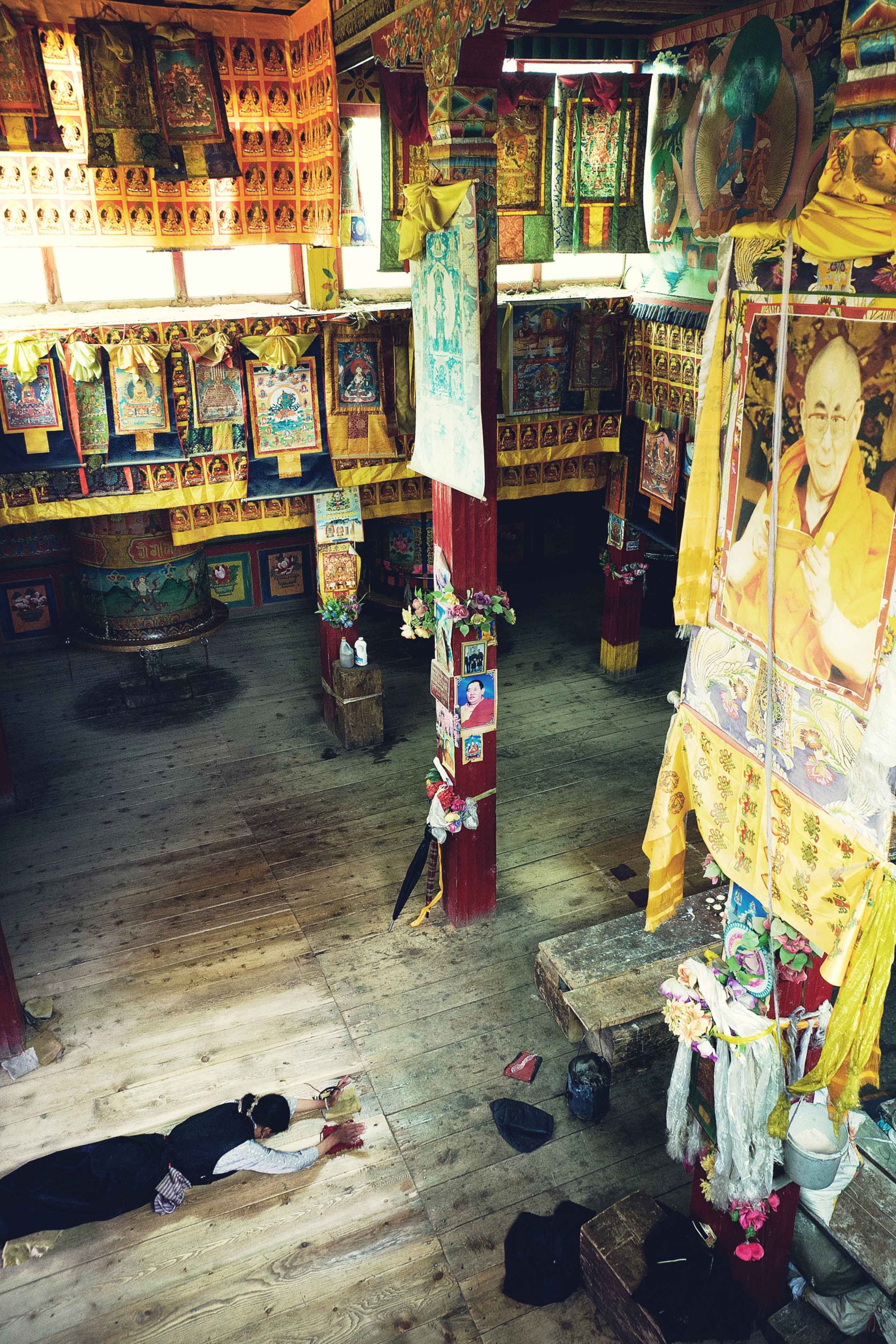
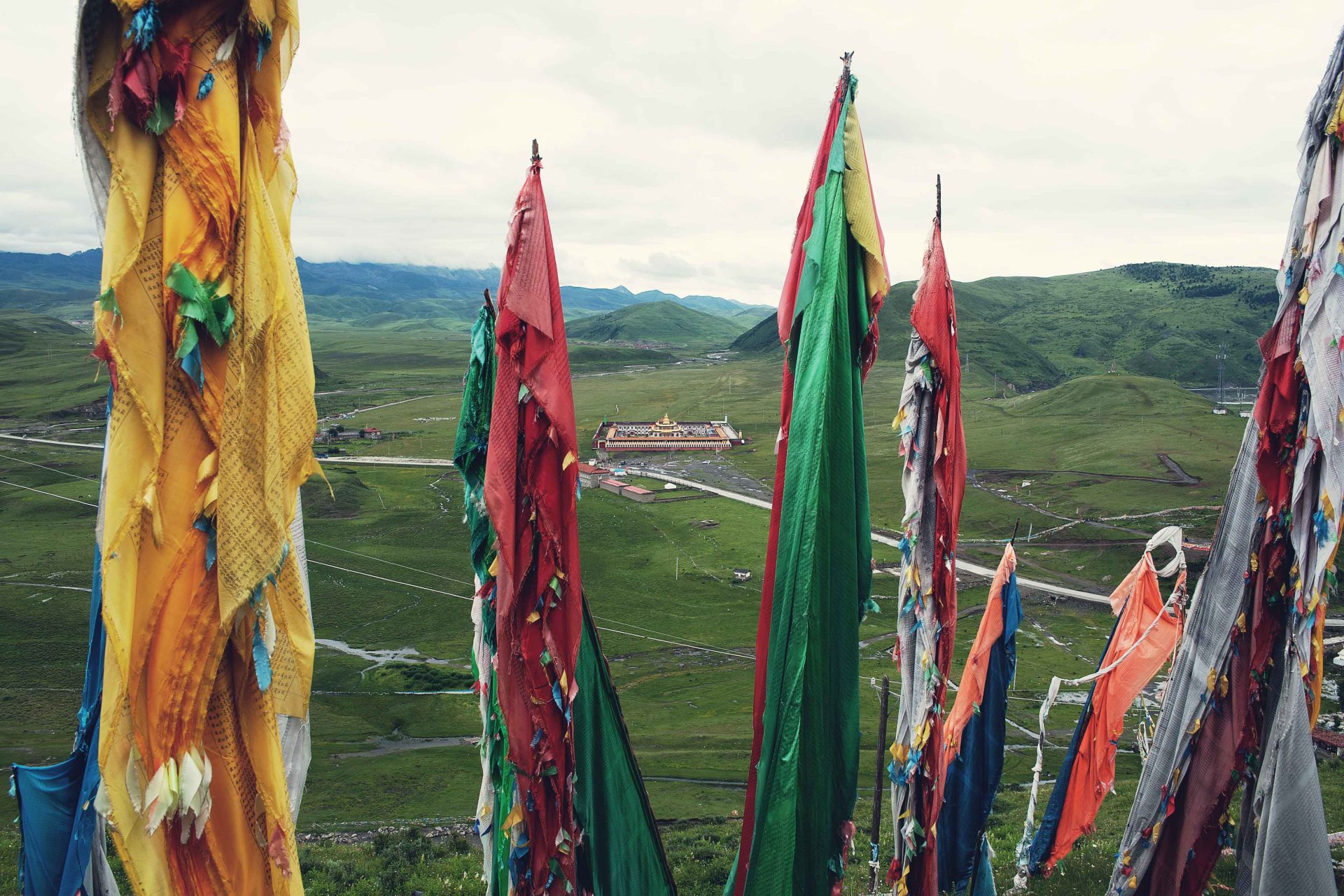
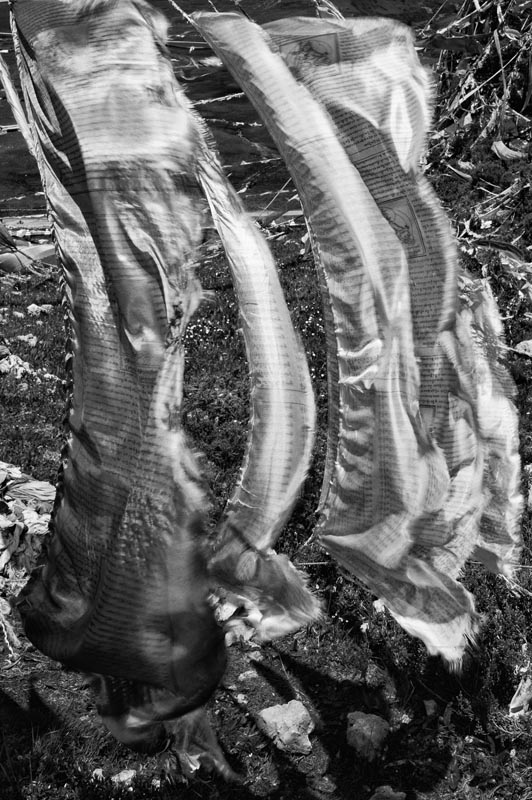
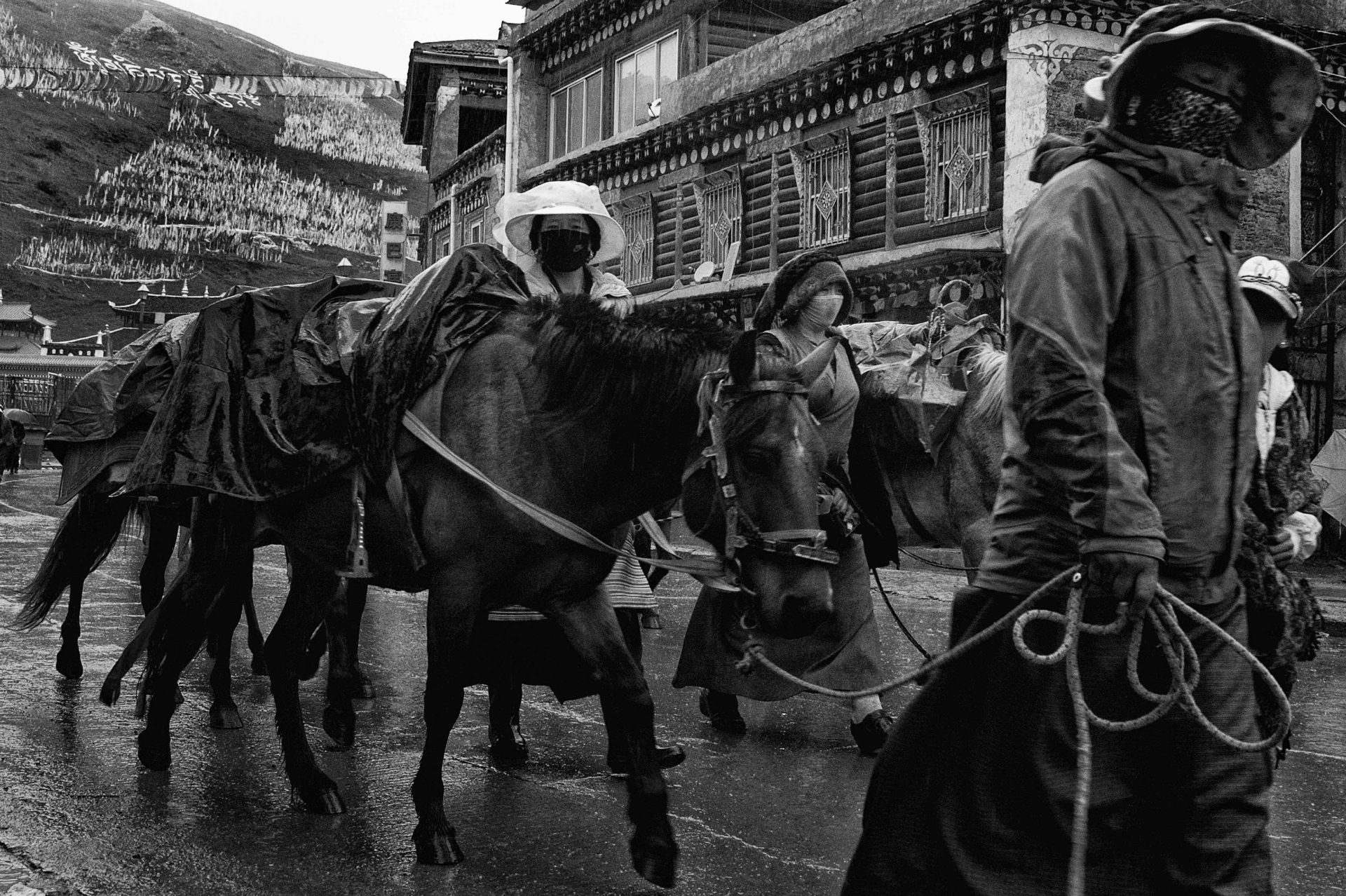
The Ancient Tea Horse Road — Chamadao in Chinese — linked the tea-producing provinces of Yunnan and Sichuan with Tibet for over a thousand years, from the Tang dynasty to the late Qing period. Pu’er tea moved north and west in exchange for Tibetan horses, but the road carried more than trade. It carried Buddhism, ritual, cultural exchange, and a shared identity across some of the most remote terrain in Asia.
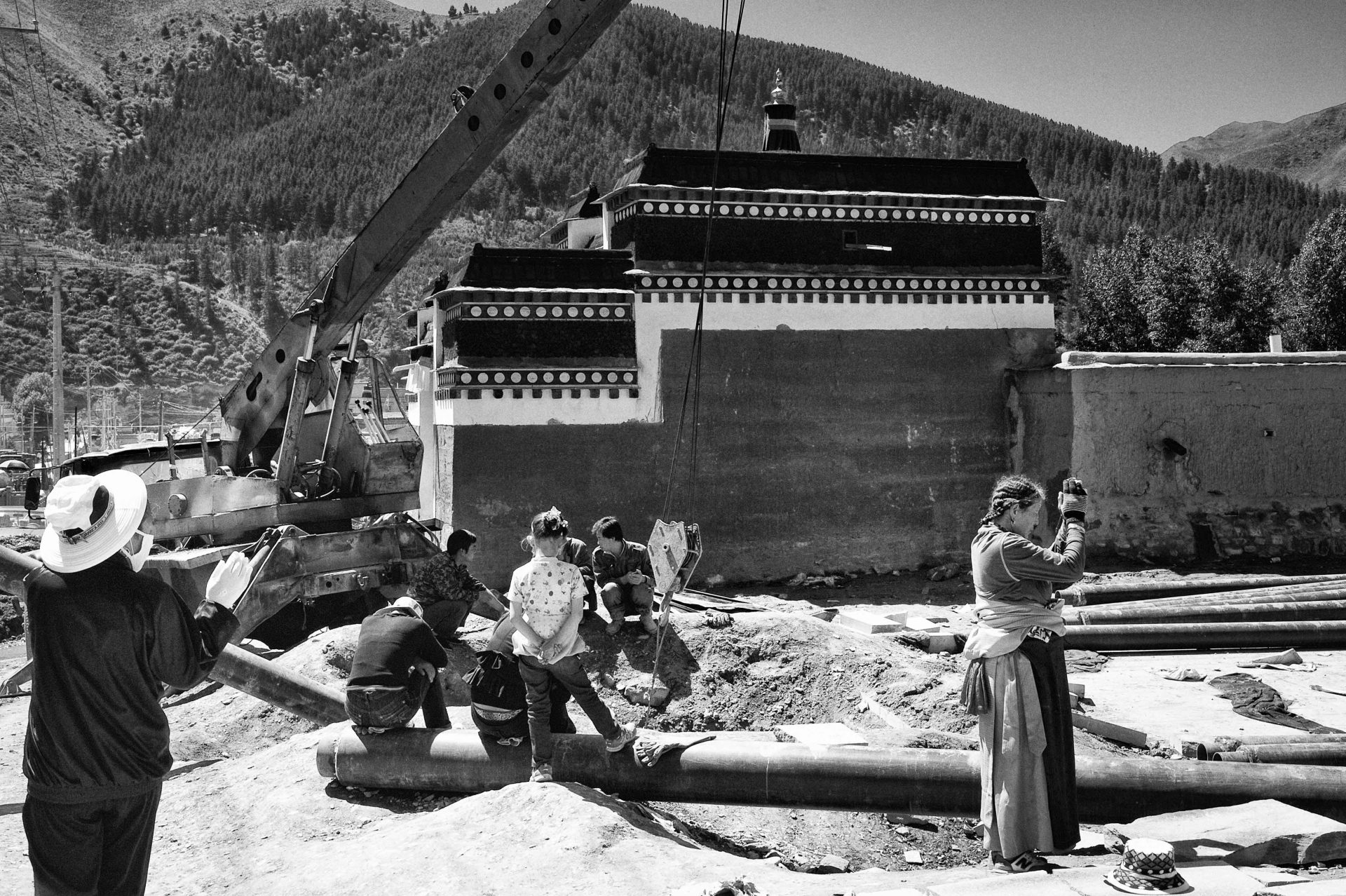
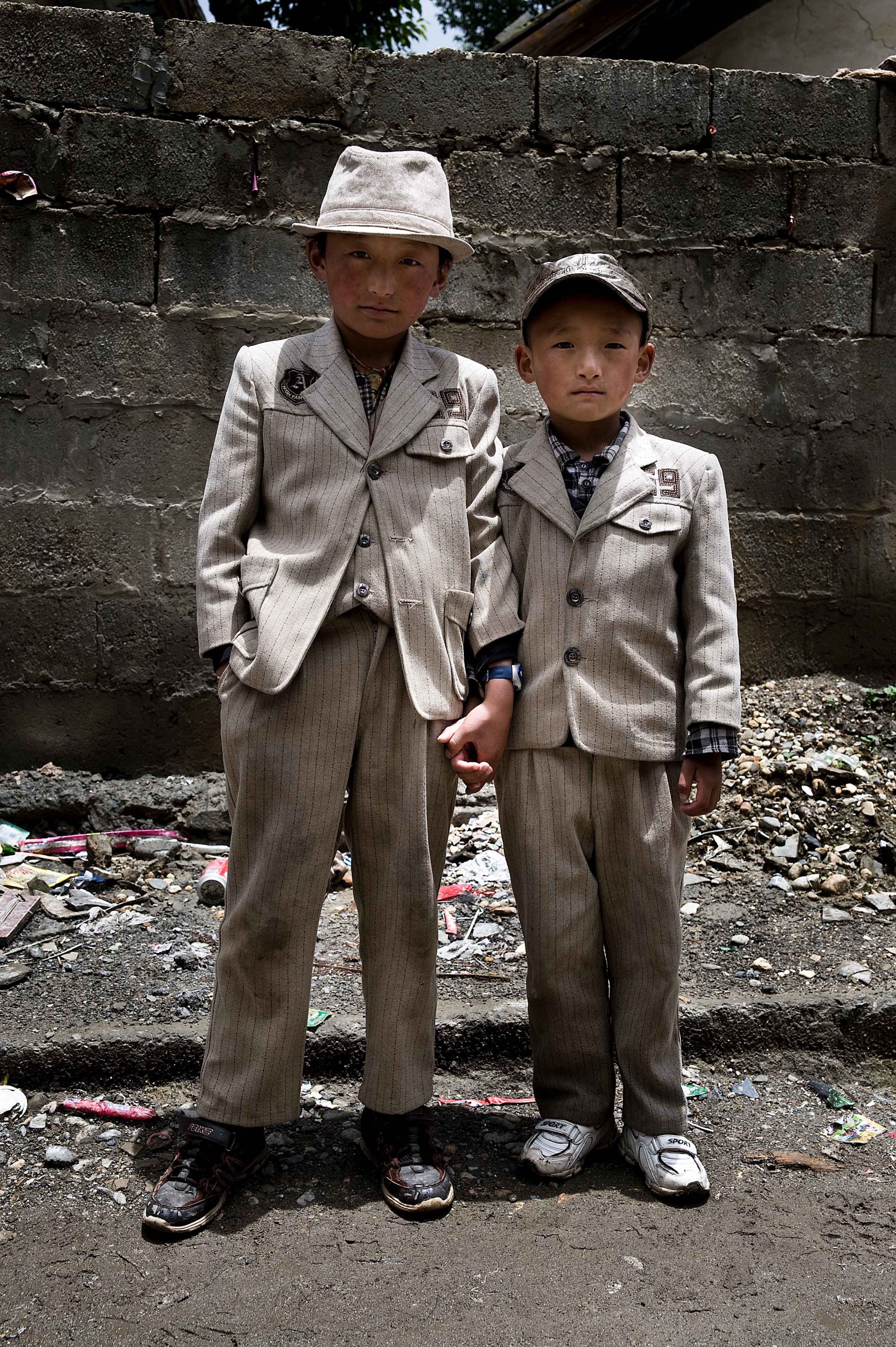
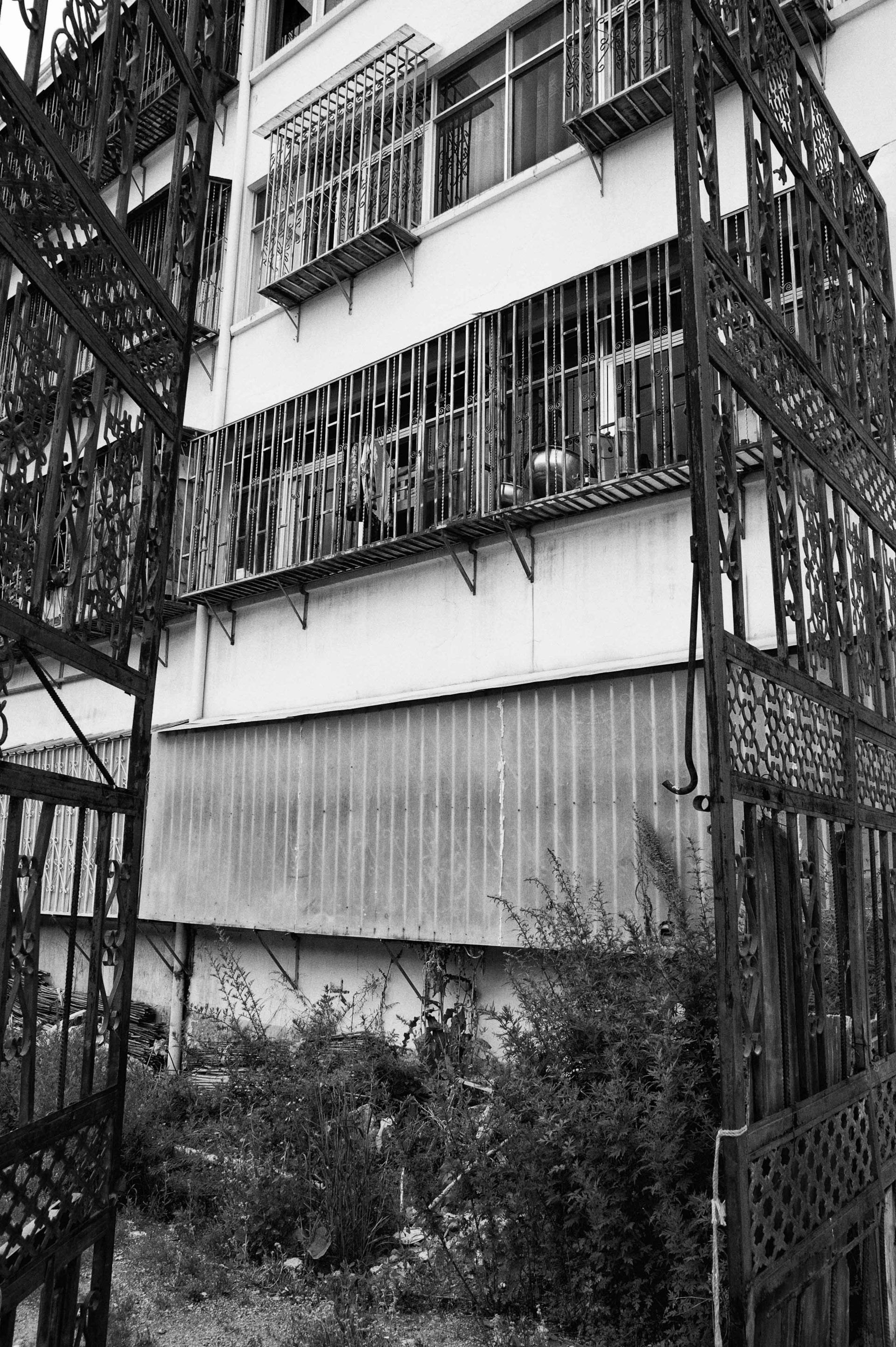
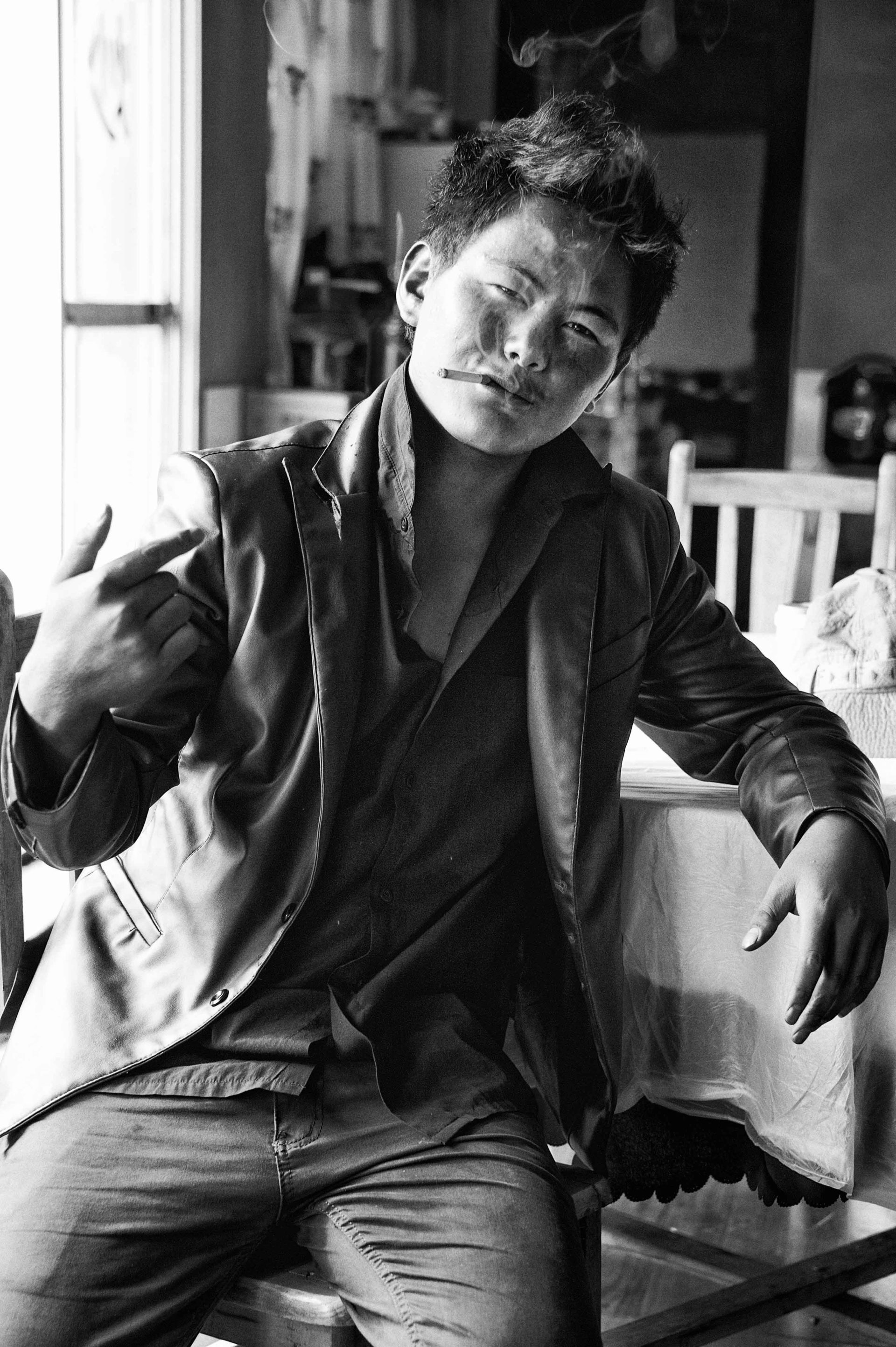
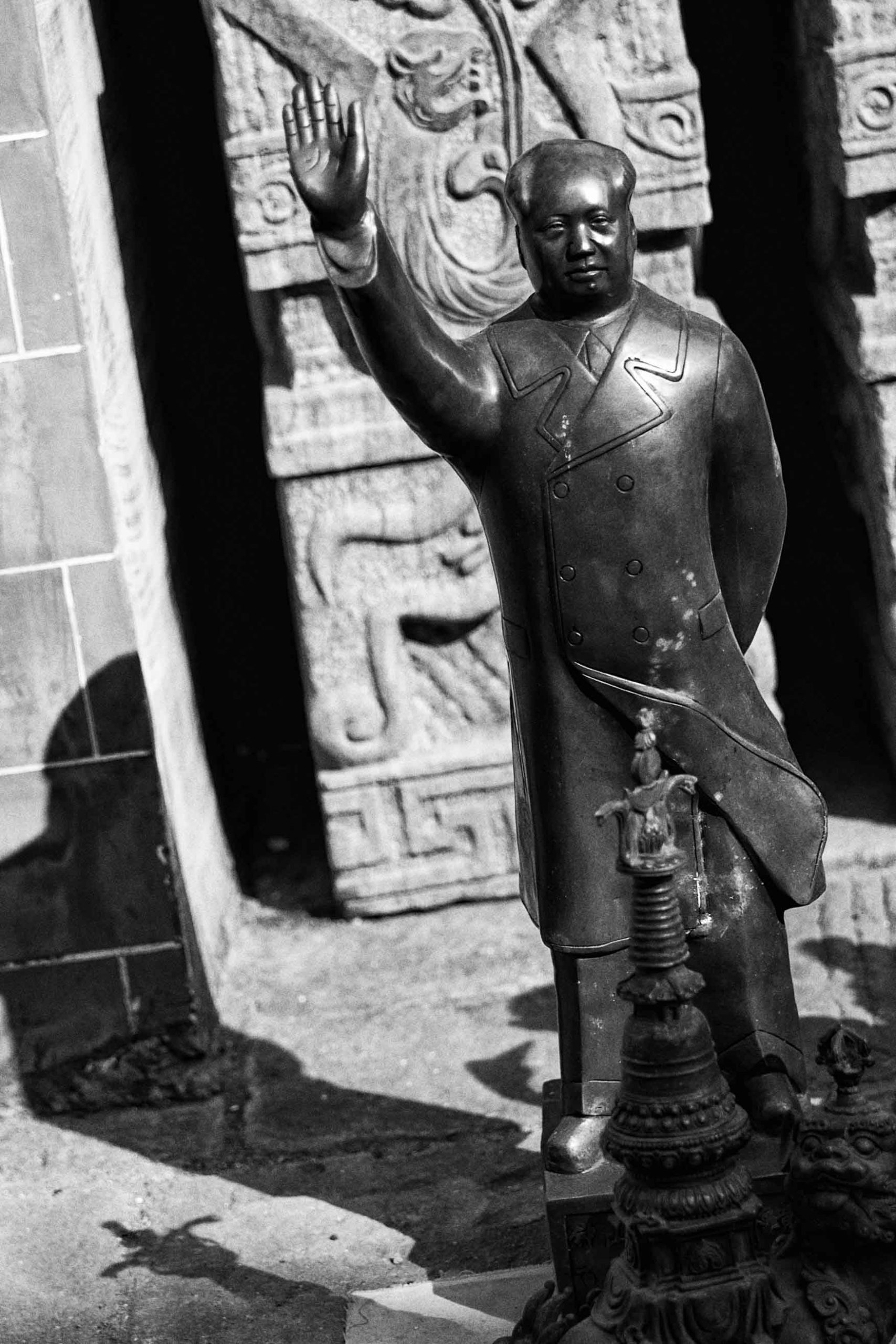
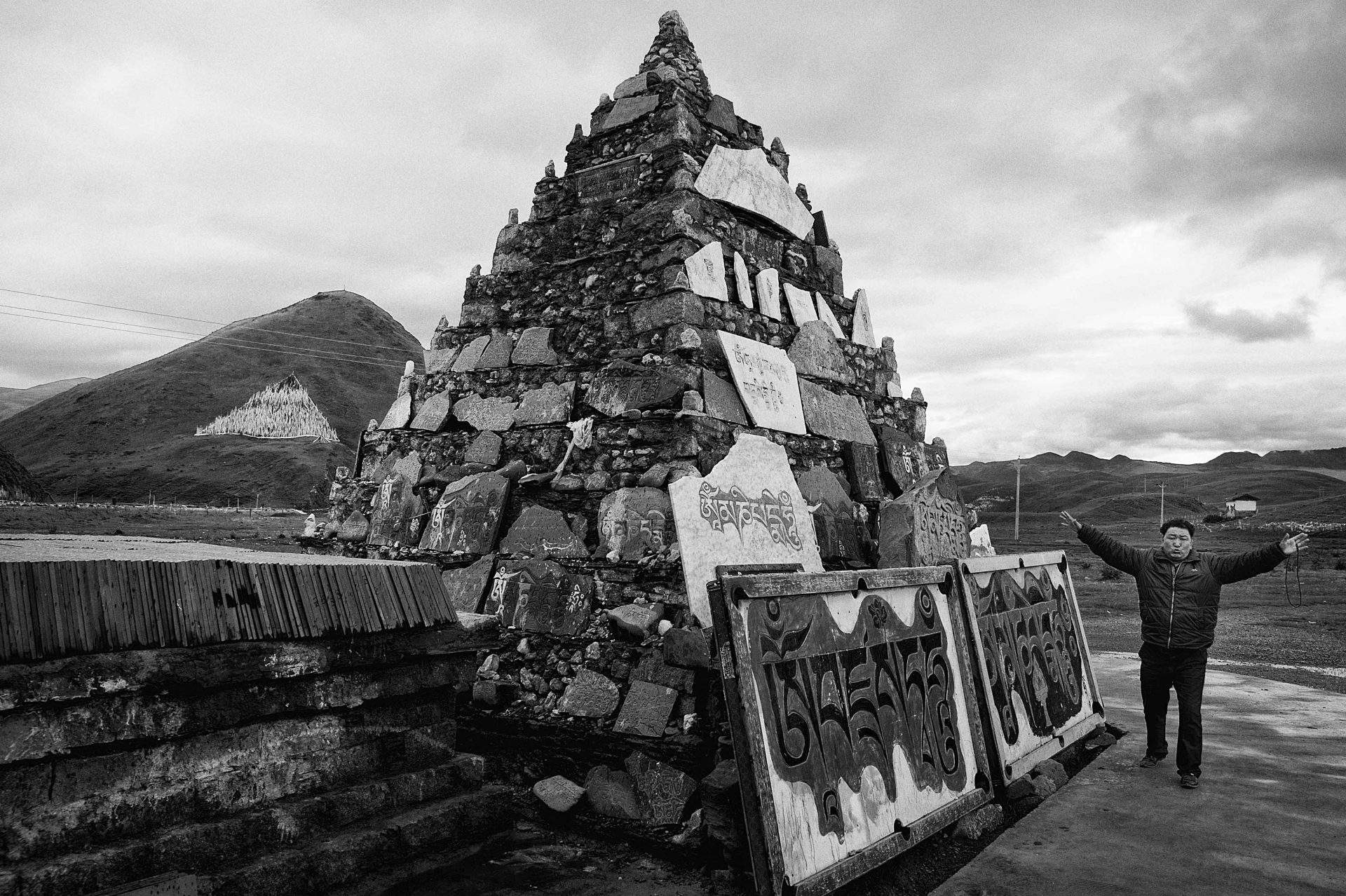
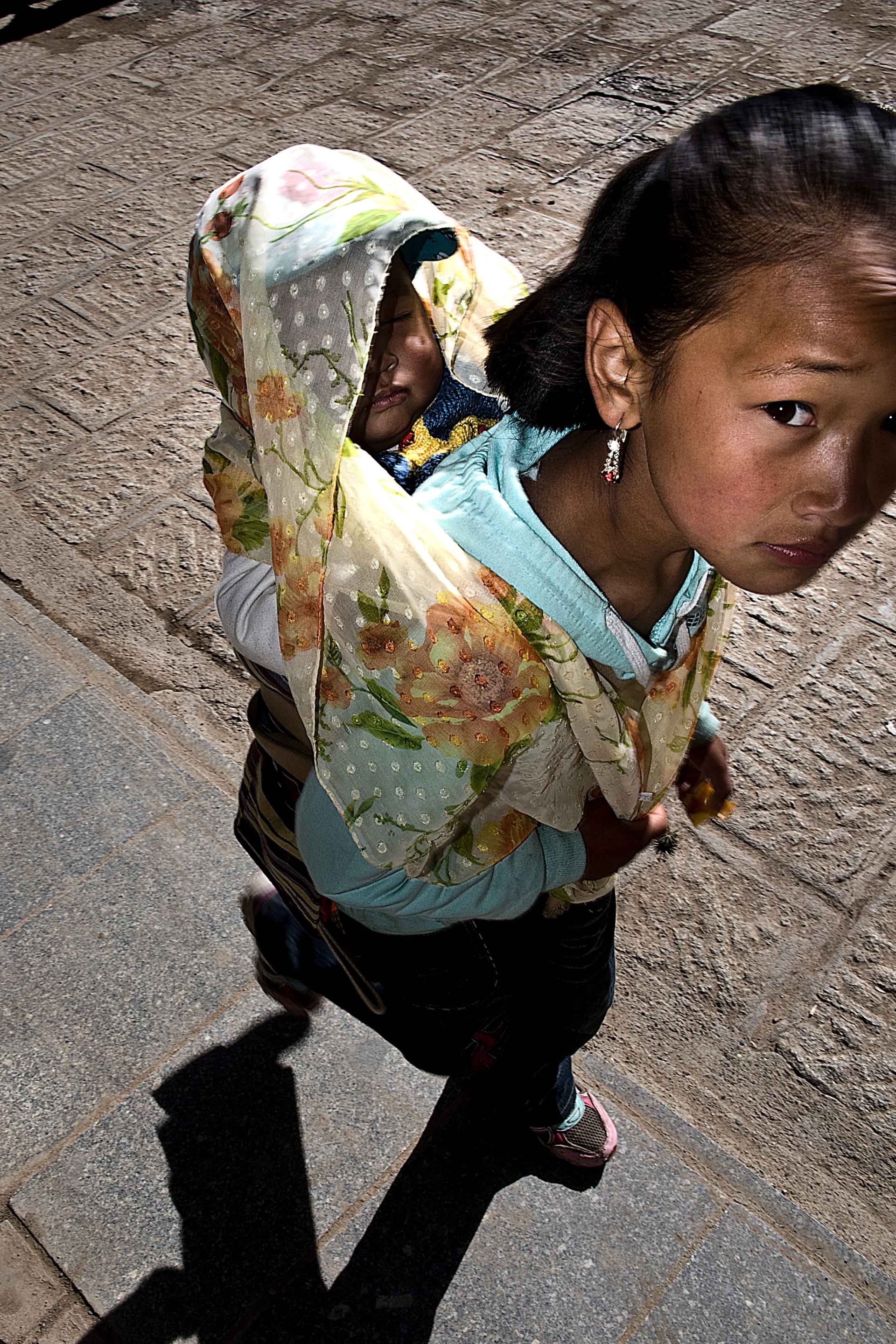
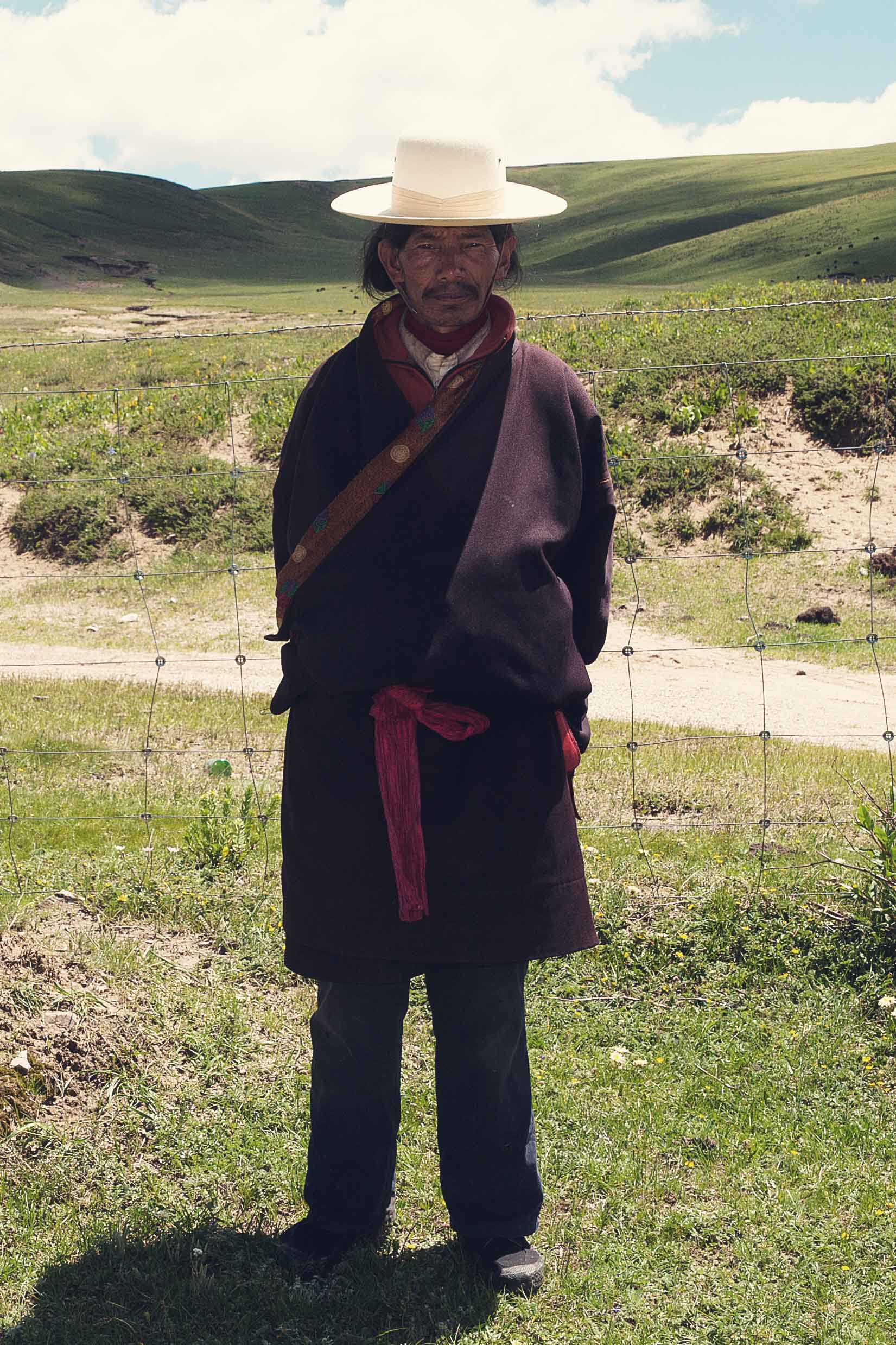
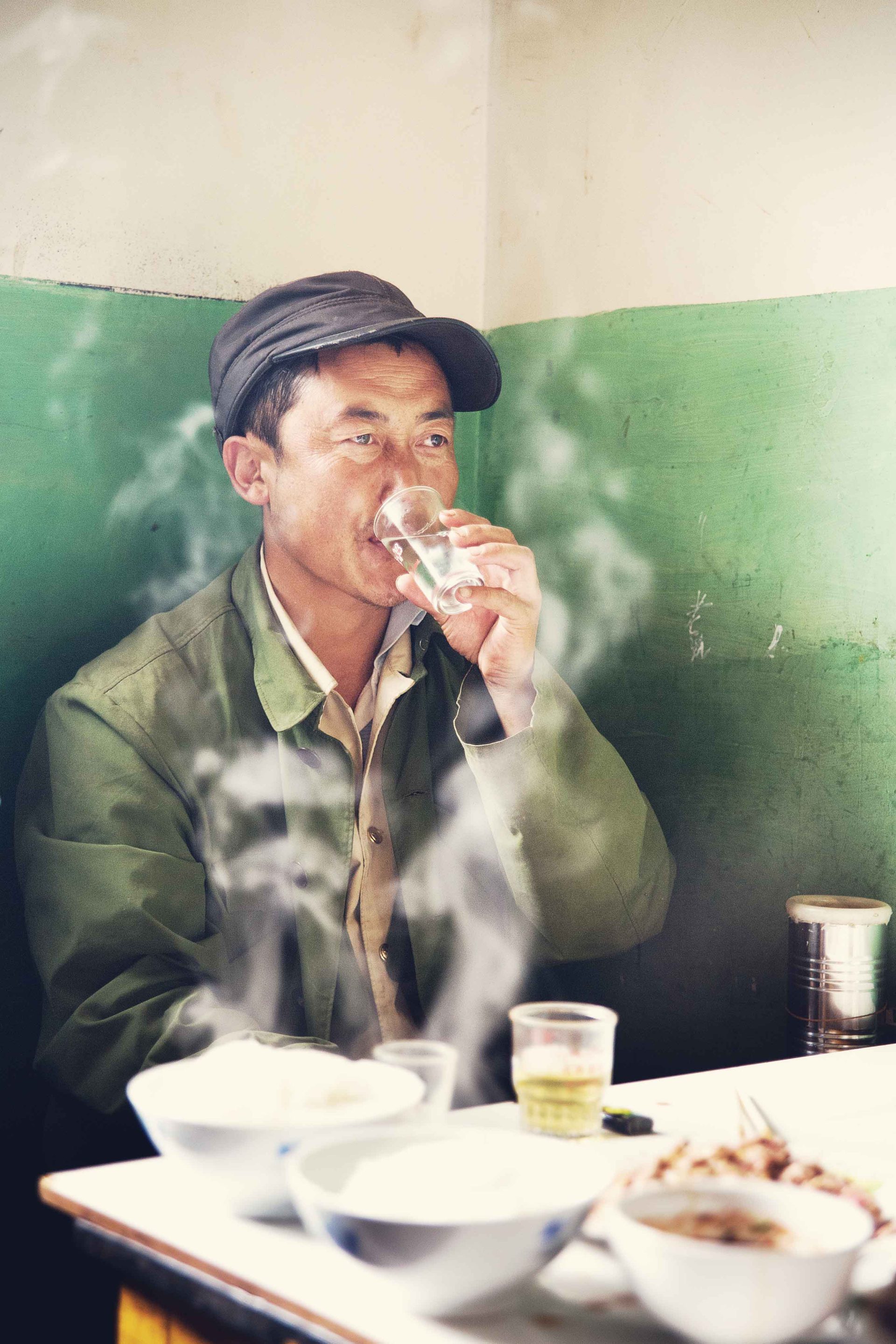
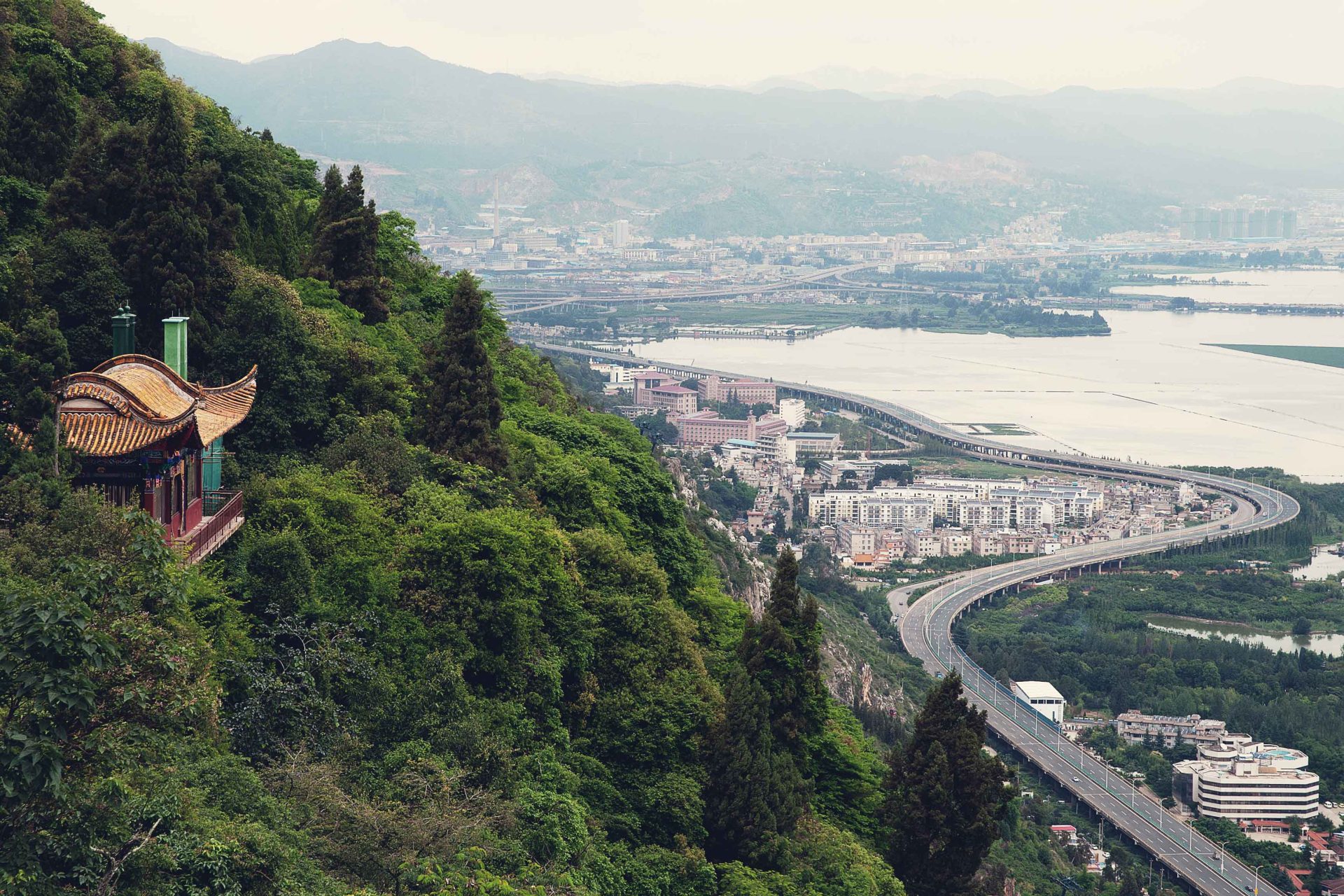
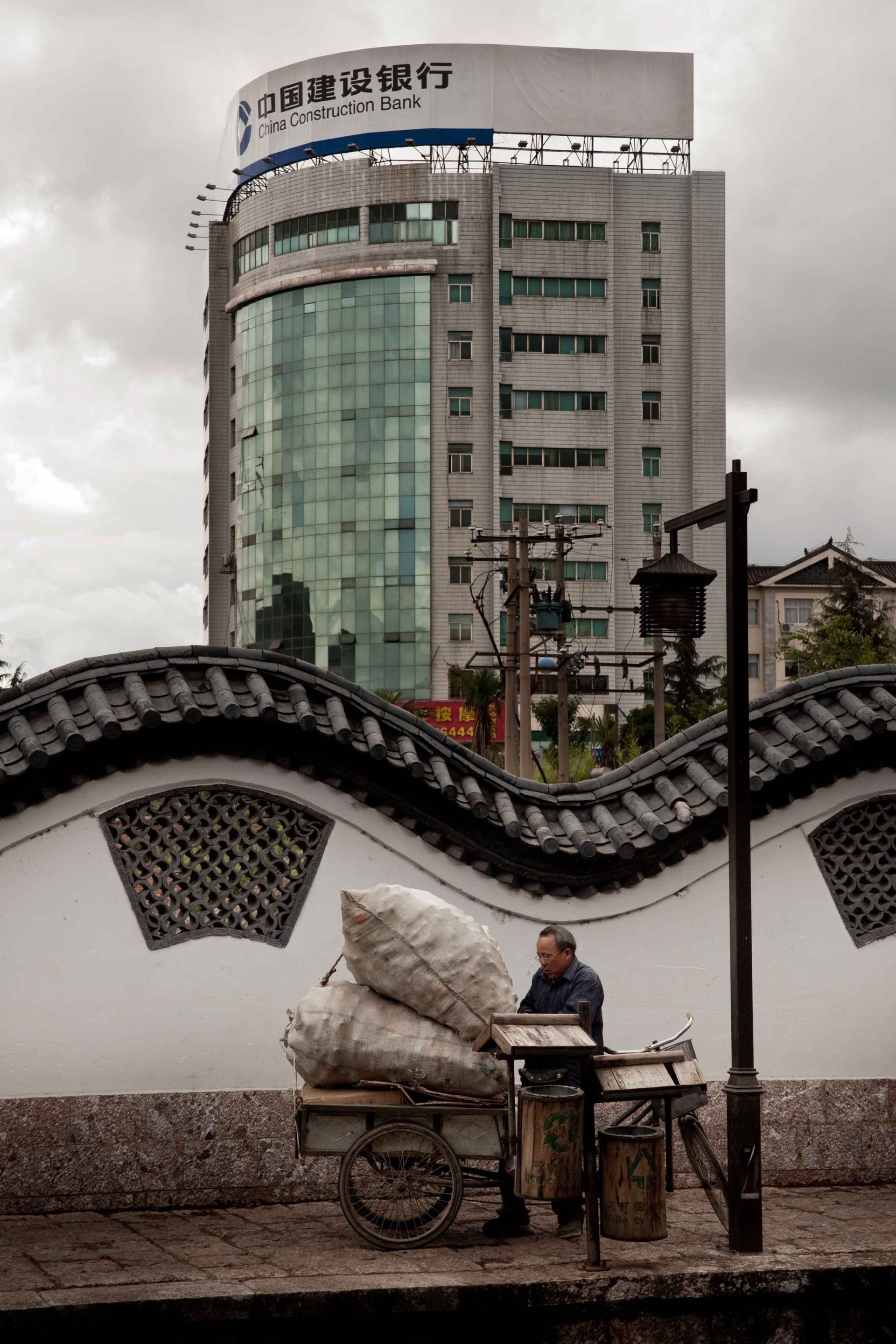
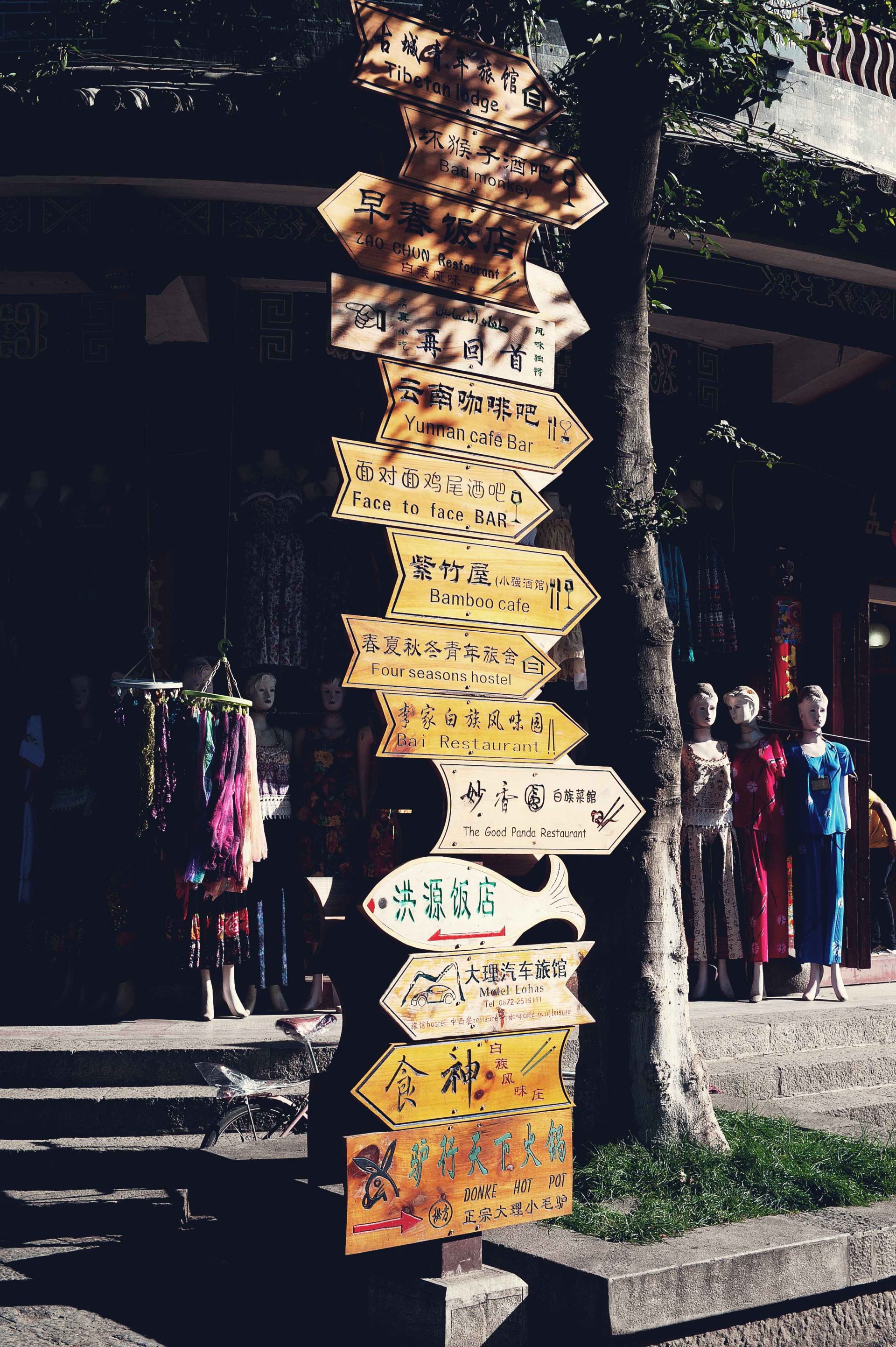
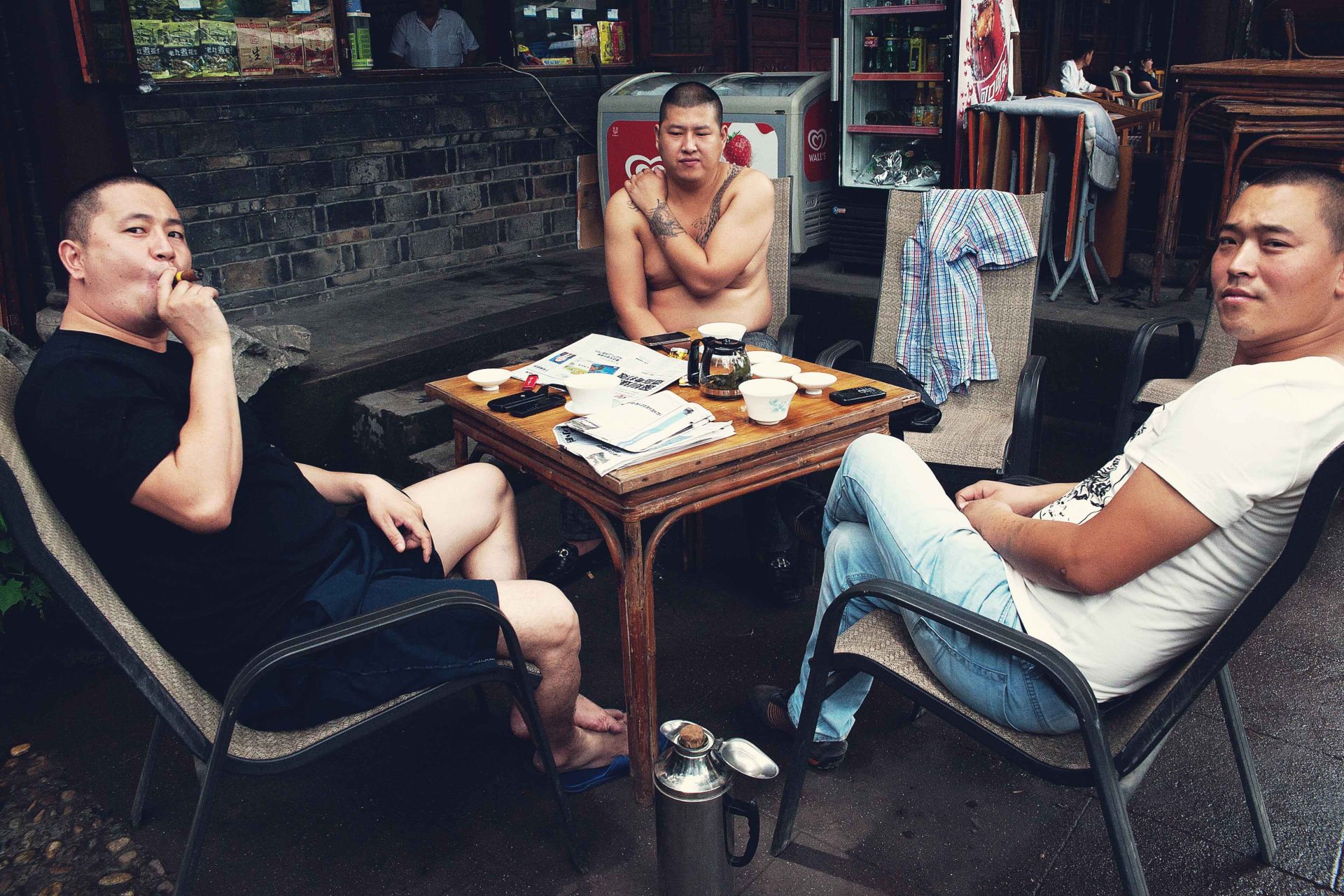
The pack-animal caravans are gone — replaced by highways and high-speed rail. But the communities along the road remain, shaped now by domestic tourism, government policy, and a renewed interest in what the Tea Horse Road meant. I travelled this route through Yunnan, Sichuan, and the eastern edges of the Tibetan Plateau over several months, photographing what persists and what is being lost.
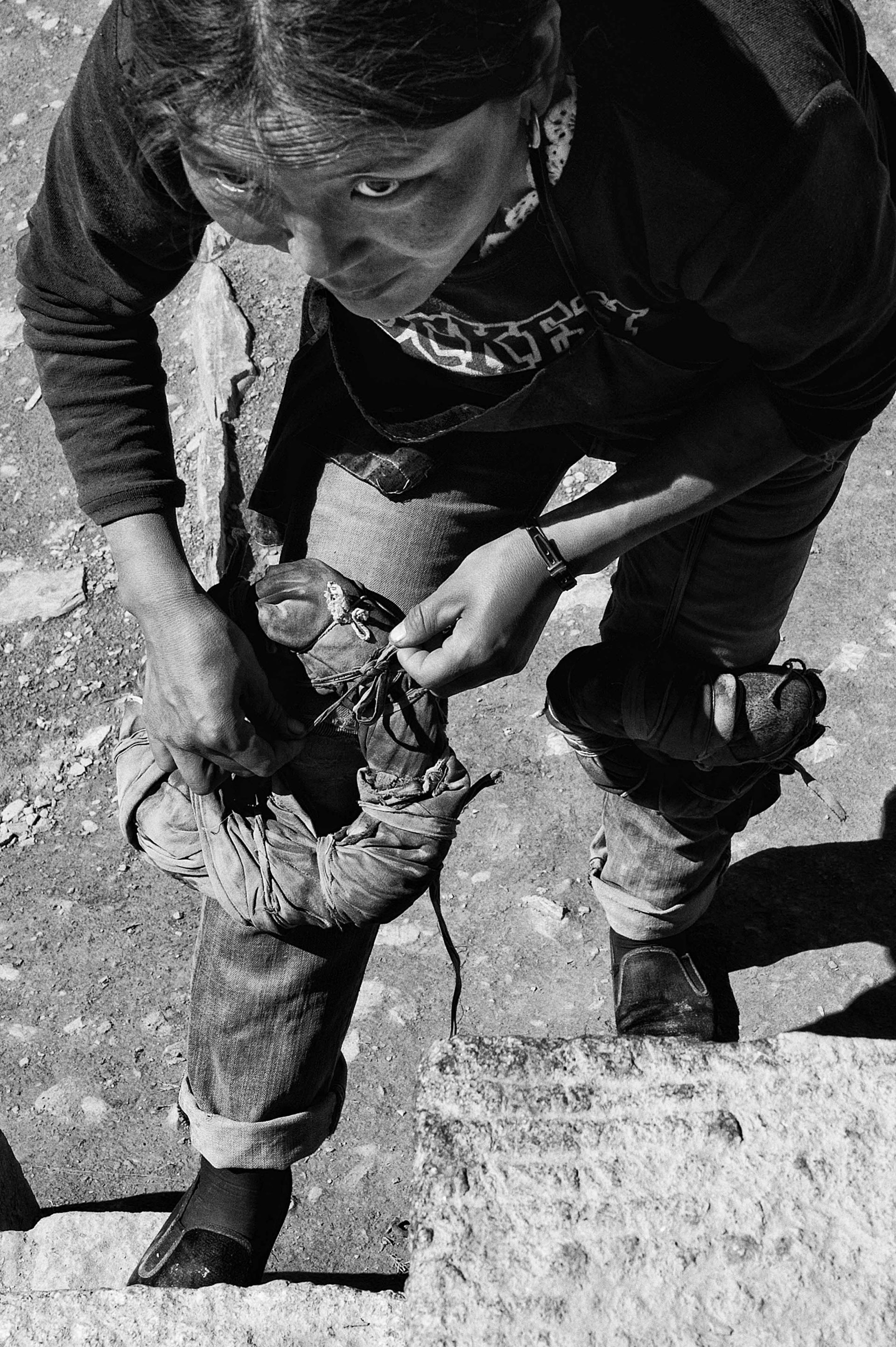
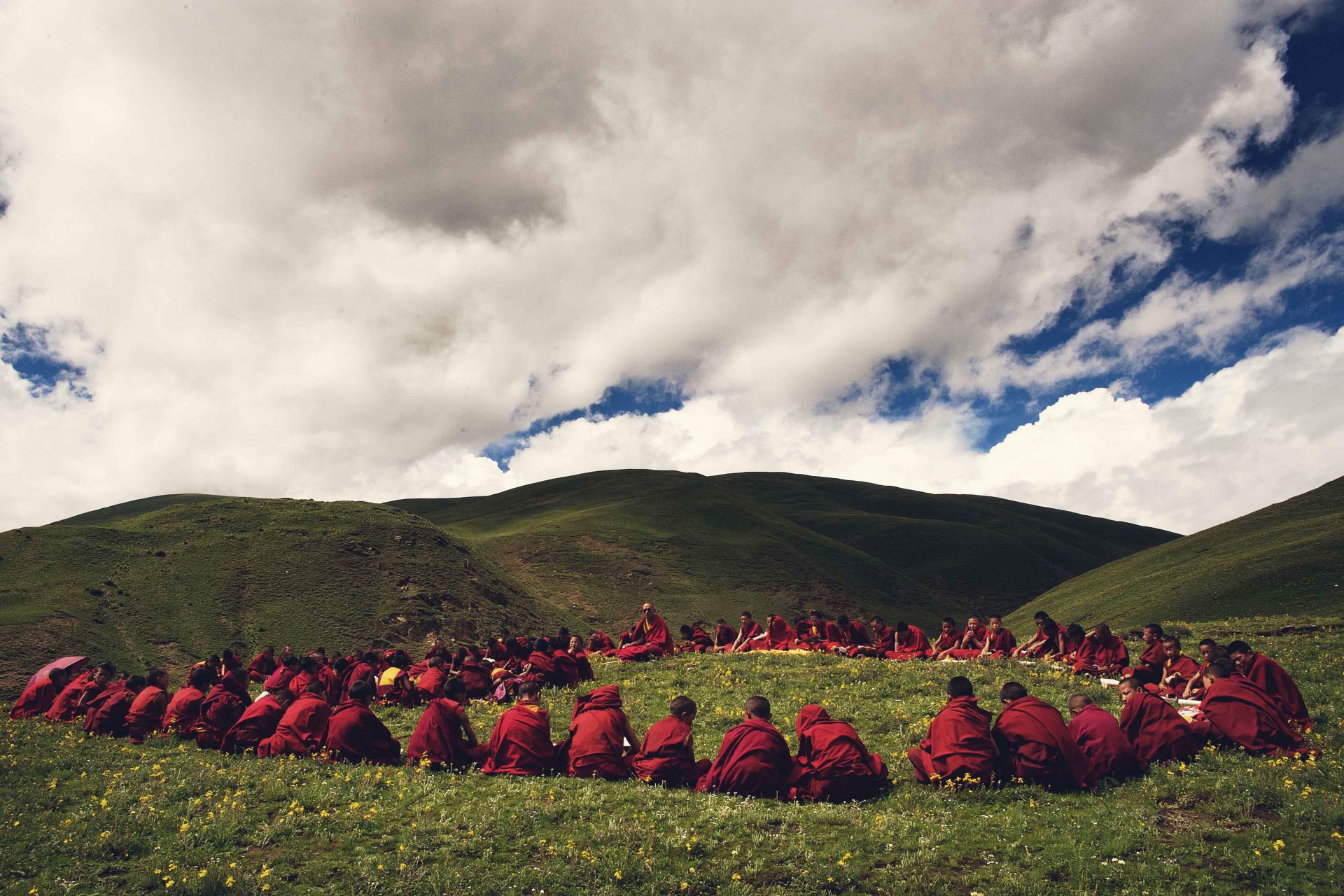
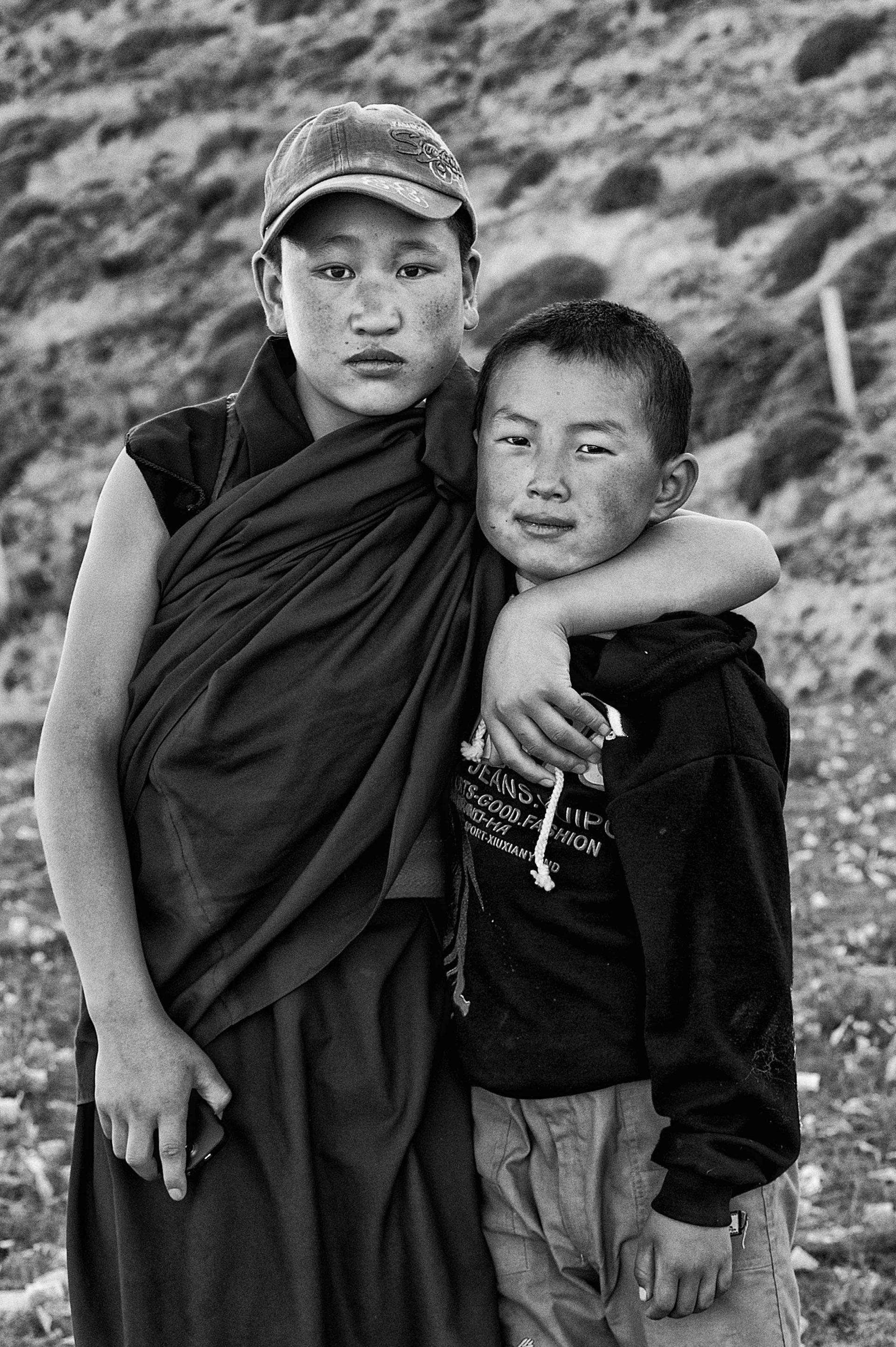
Buddhist communities along this route face increasing pressure — restrictions on religious practice, surveillance of monasteries, and policies that threaten centuries of cultural continuity. What I found was not defeat but adaptation — communities finding ways to preserve what matters within constraints that grow tighter each year. This series reveals how Buddhism and tea culture persist and adapt, reflecting a resilient identity forged through centuries of journey, trade and spirituality.