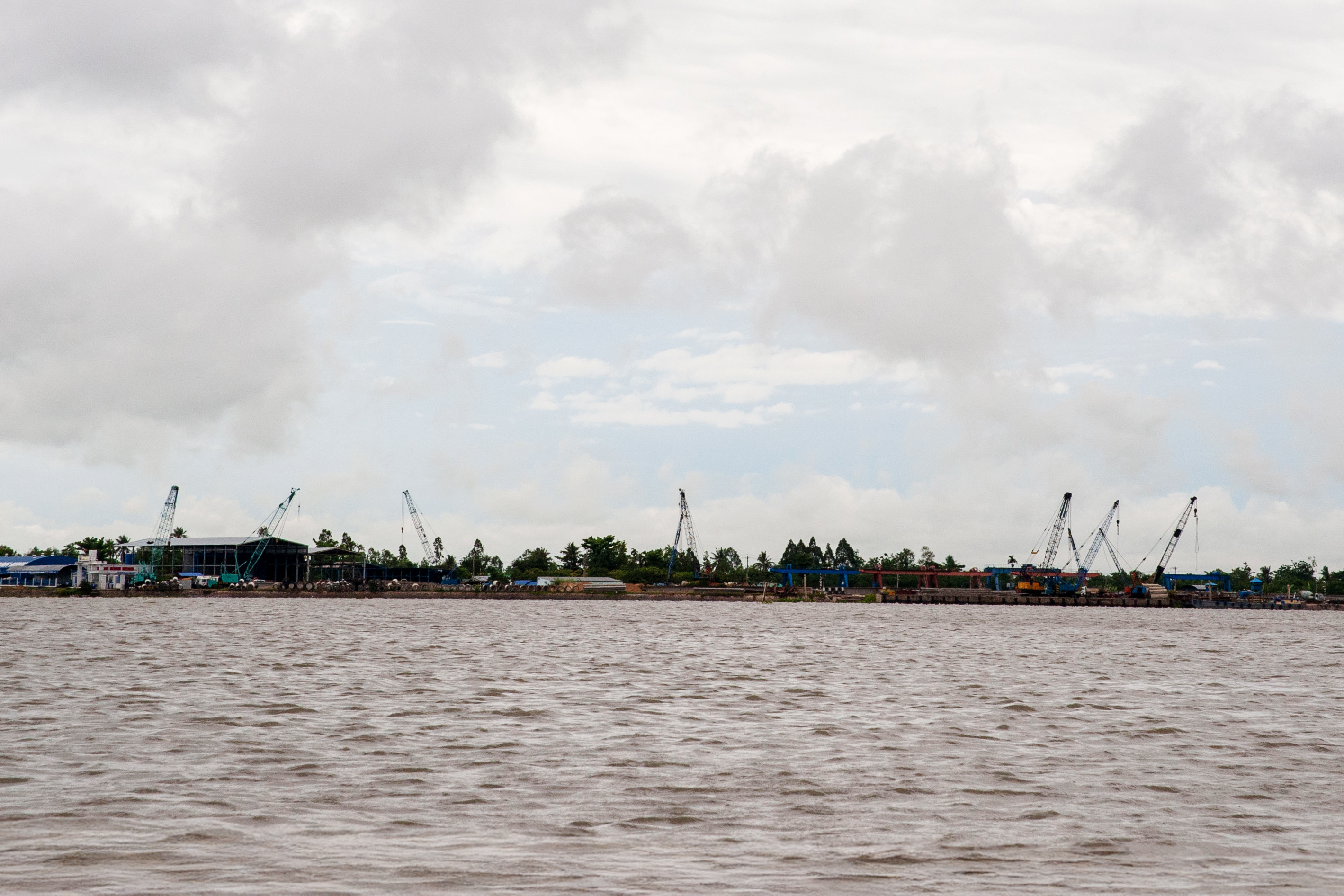

Vietnam’s Mekong Delta Faces Rising Seas and Sinking Ground
The Mekong Delta, known as Vietnam’s “rice bowl,” is at the epicentre of Southeast Asia’s climate crisis. Home to over 17 million people and responsible for more than half of the country’s rice production, this fertile region now faces an existential threat from rising sea levels, saltwater intrusion, and rapid land subsidence.
A projected sea-level rise of 30 centimetres by 2050 could permanently submerge large areas of the delta, according to recent climate models. Already, saltwater is creeping further inland, contaminating freshwater supplies and devastating rice fields. The Southern Irrigation Research Institute reports that thousands of hectares are affected annually, endangering food security and local livelihoods.
But rising seas aren’t the only threat. The land itself is sinking—some of it at an alarming pace. A 2015 study revealed that eastern Ho Chi Minh City, which borders the delta, experienced land subsidence averaging 8 millimetres per year between 2006 and 2010. Combined with tidal flooding, this subsidence puts parts of Vietnam’s largest city at risk of being underwater by 2030, according to U.S.-based climate science group Climate Central.
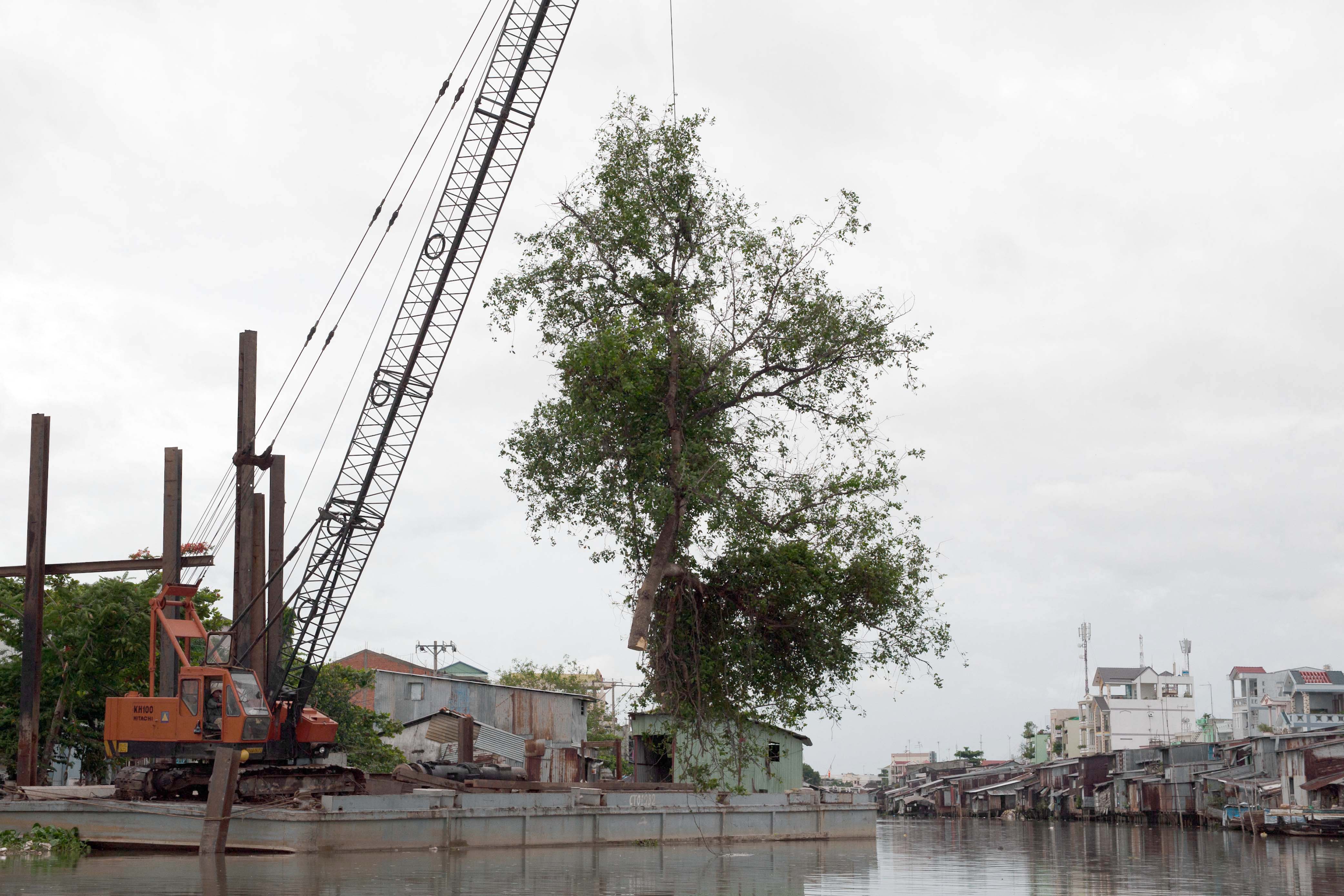
The Mekong Delta’s vulnerability is a stark reminder of how climate change and unsustainable development intersect. Groundwater extraction, deforestation, and urban pressure are accelerating the delta’s decline. While Vietnam has taken steps to address these issues—including constructing sea dikes, restoring mangroves, and promoting climate-resilient crops—the scale of the challenge is vast.
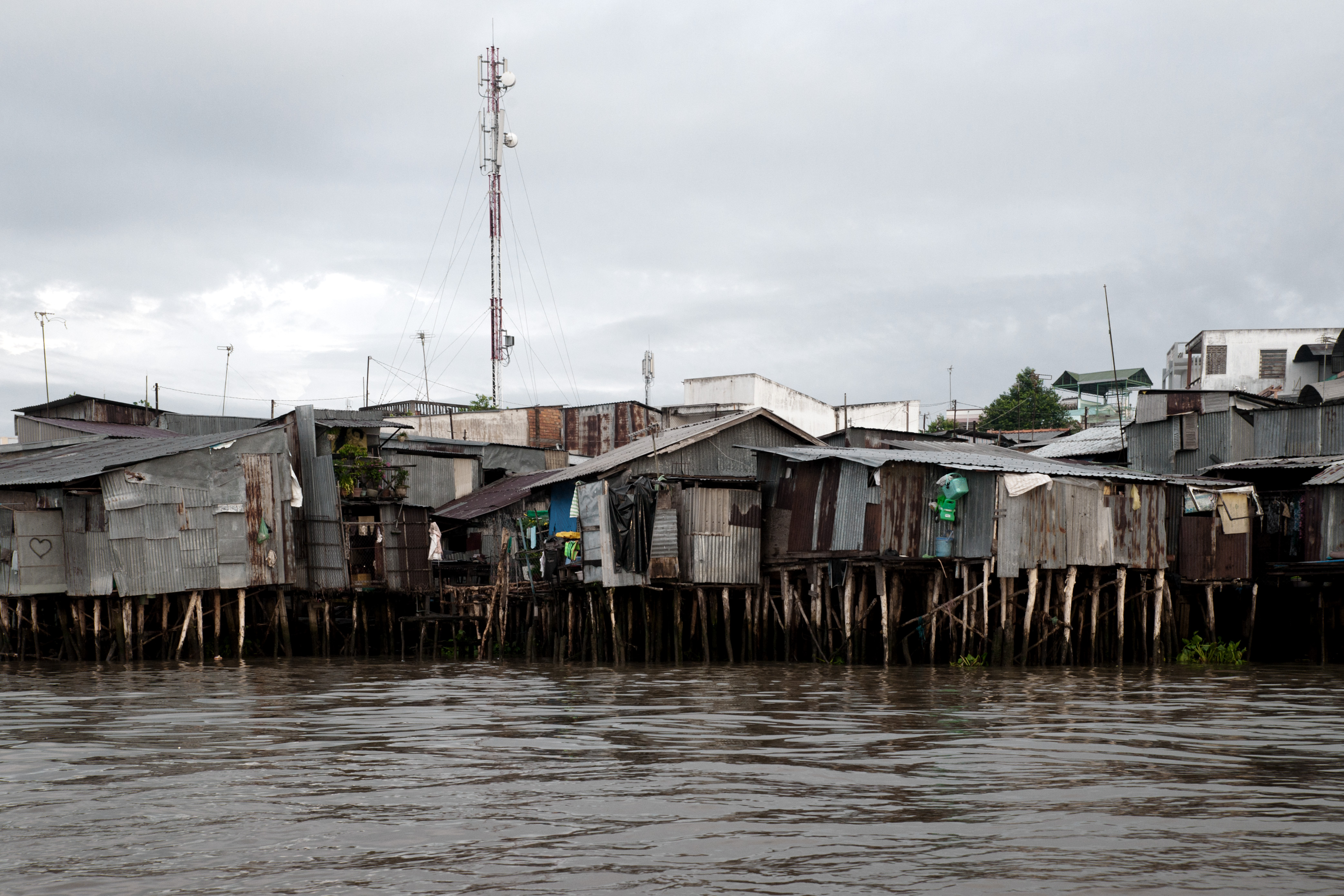
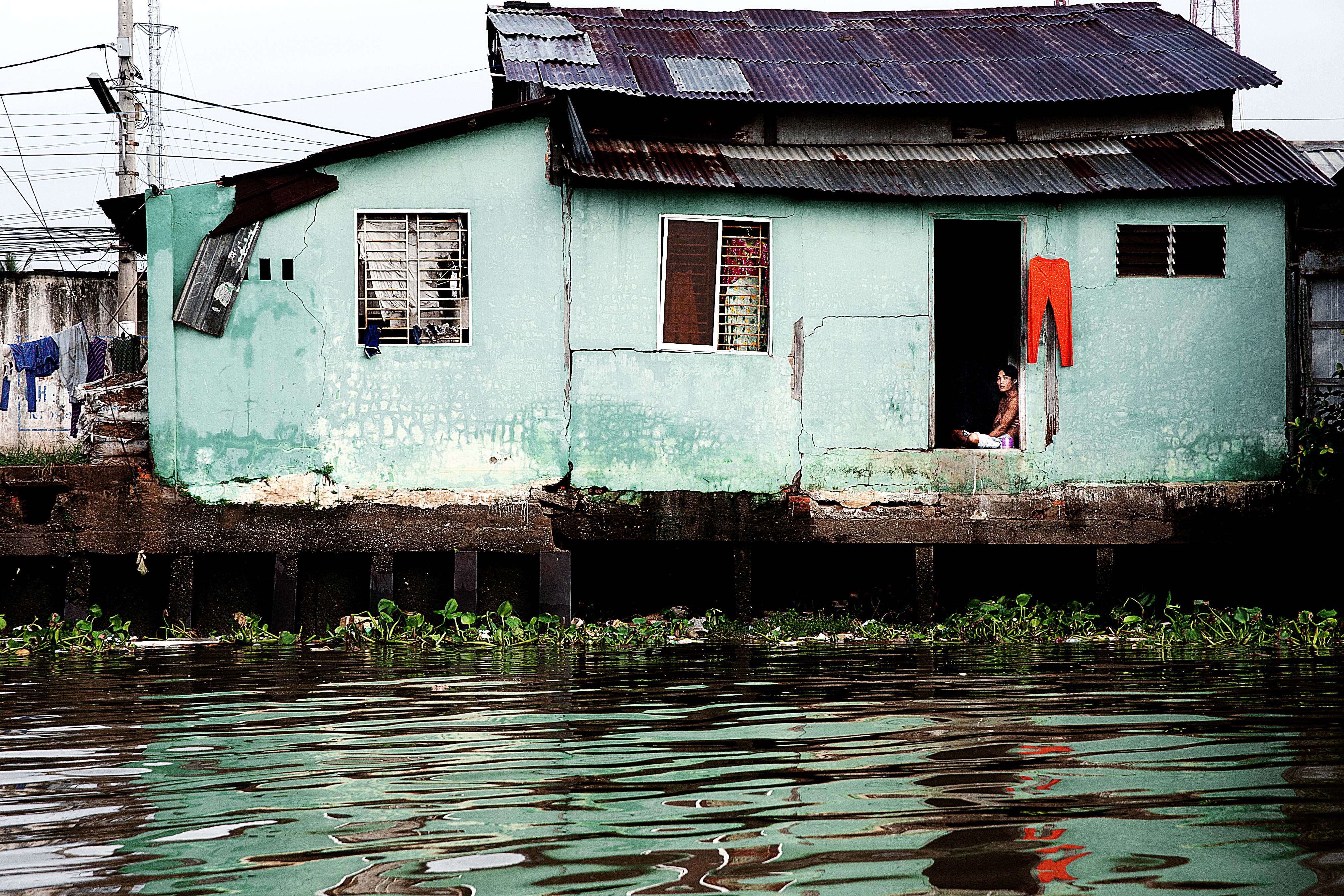
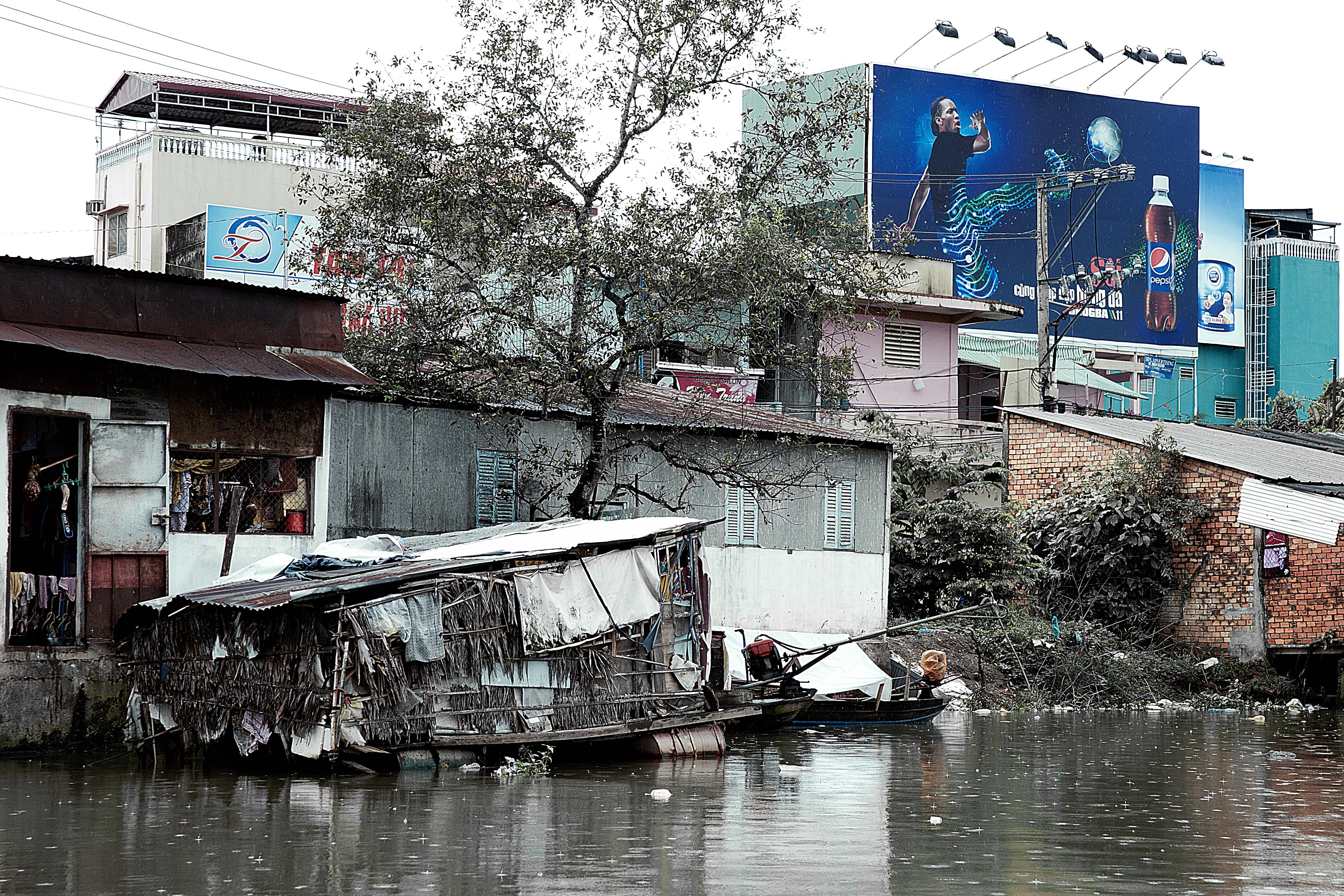
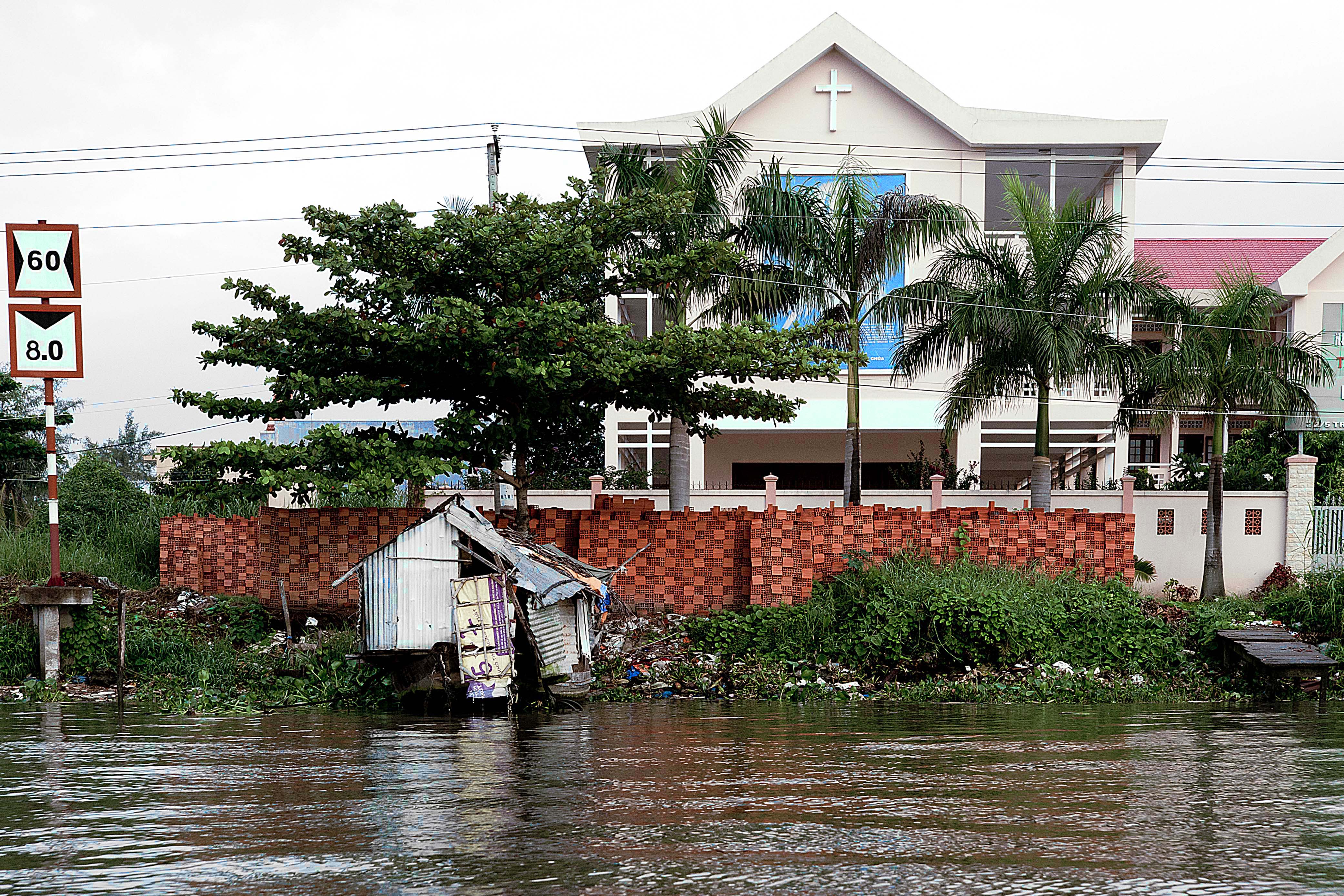
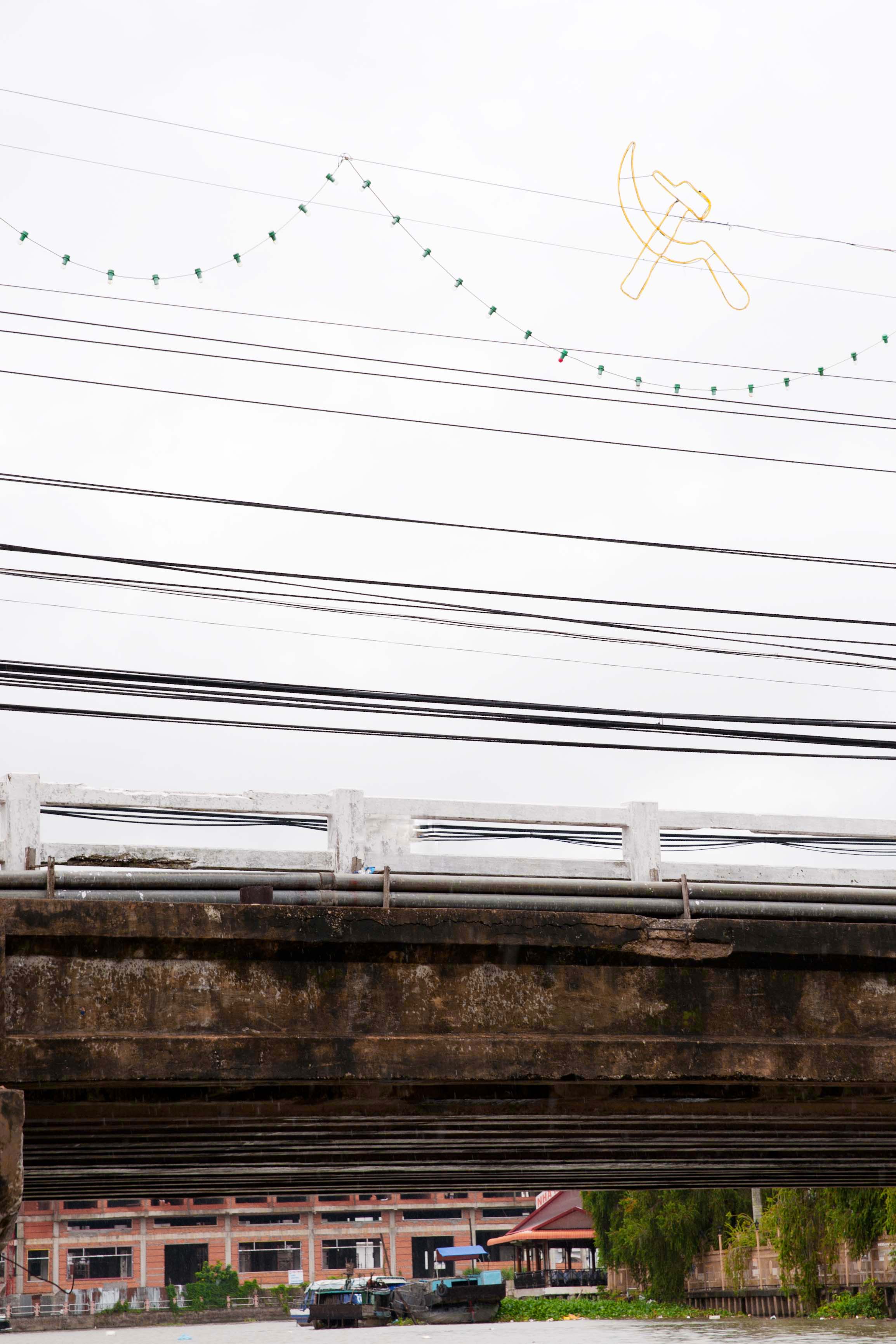
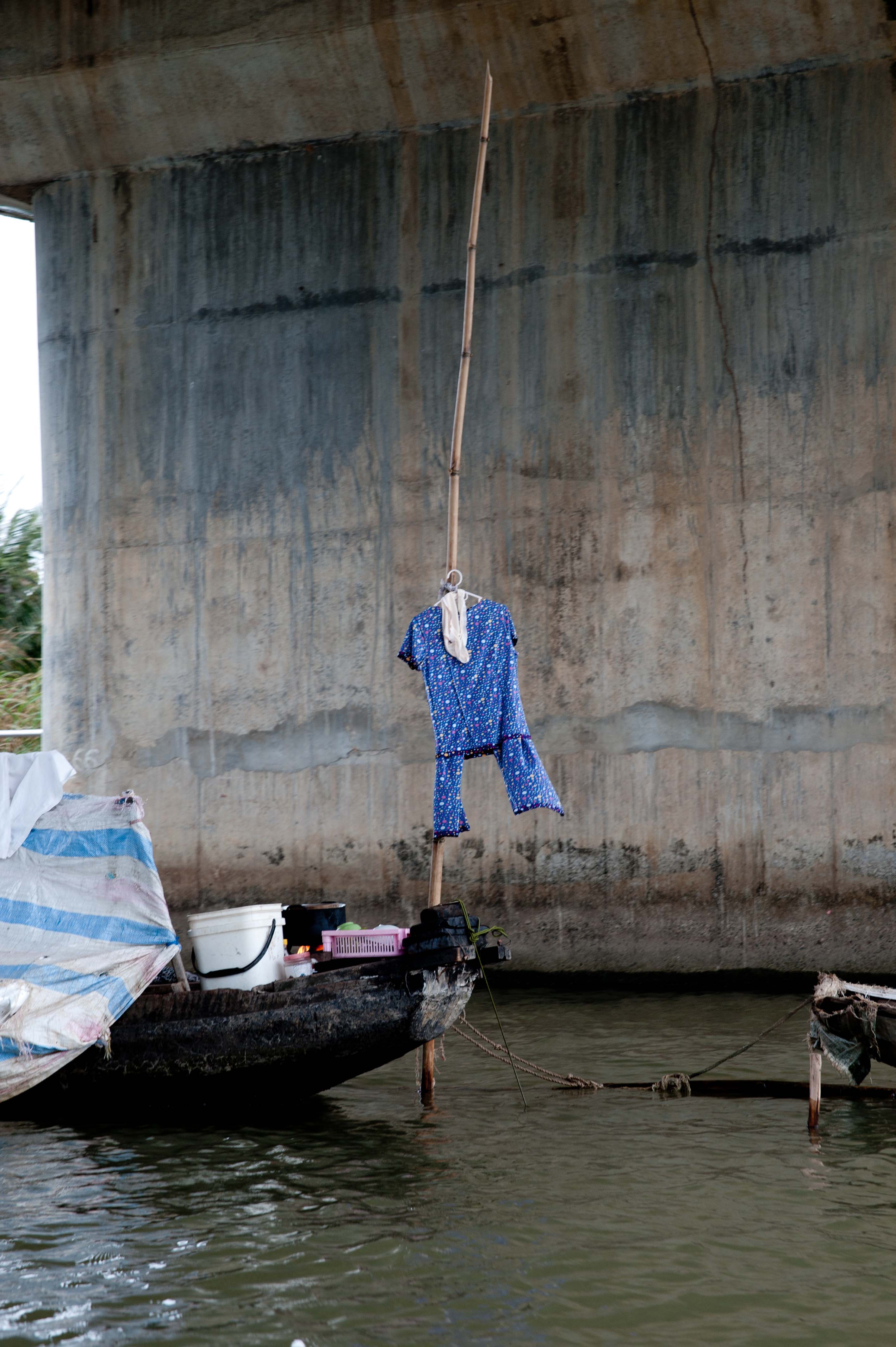
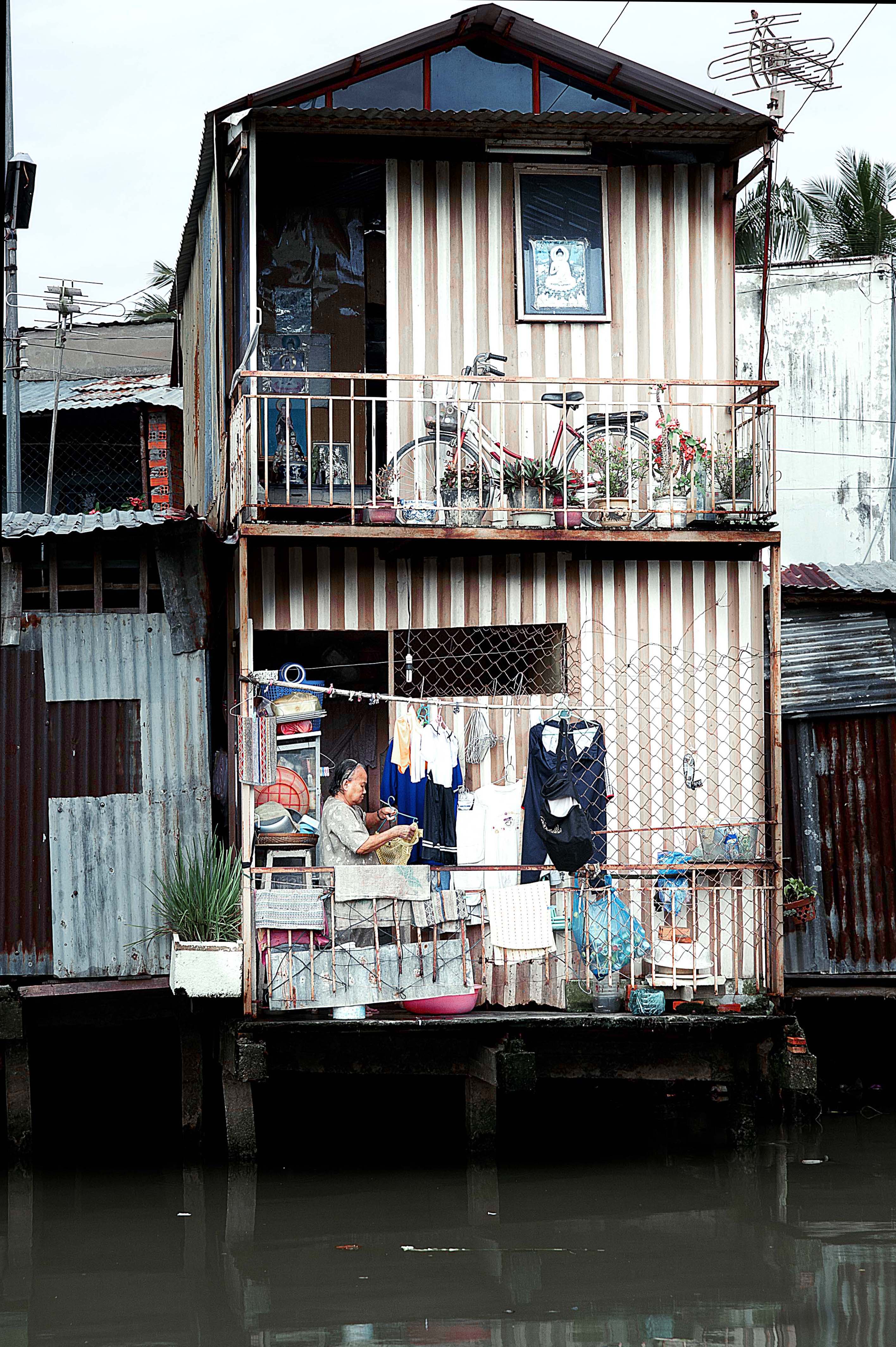
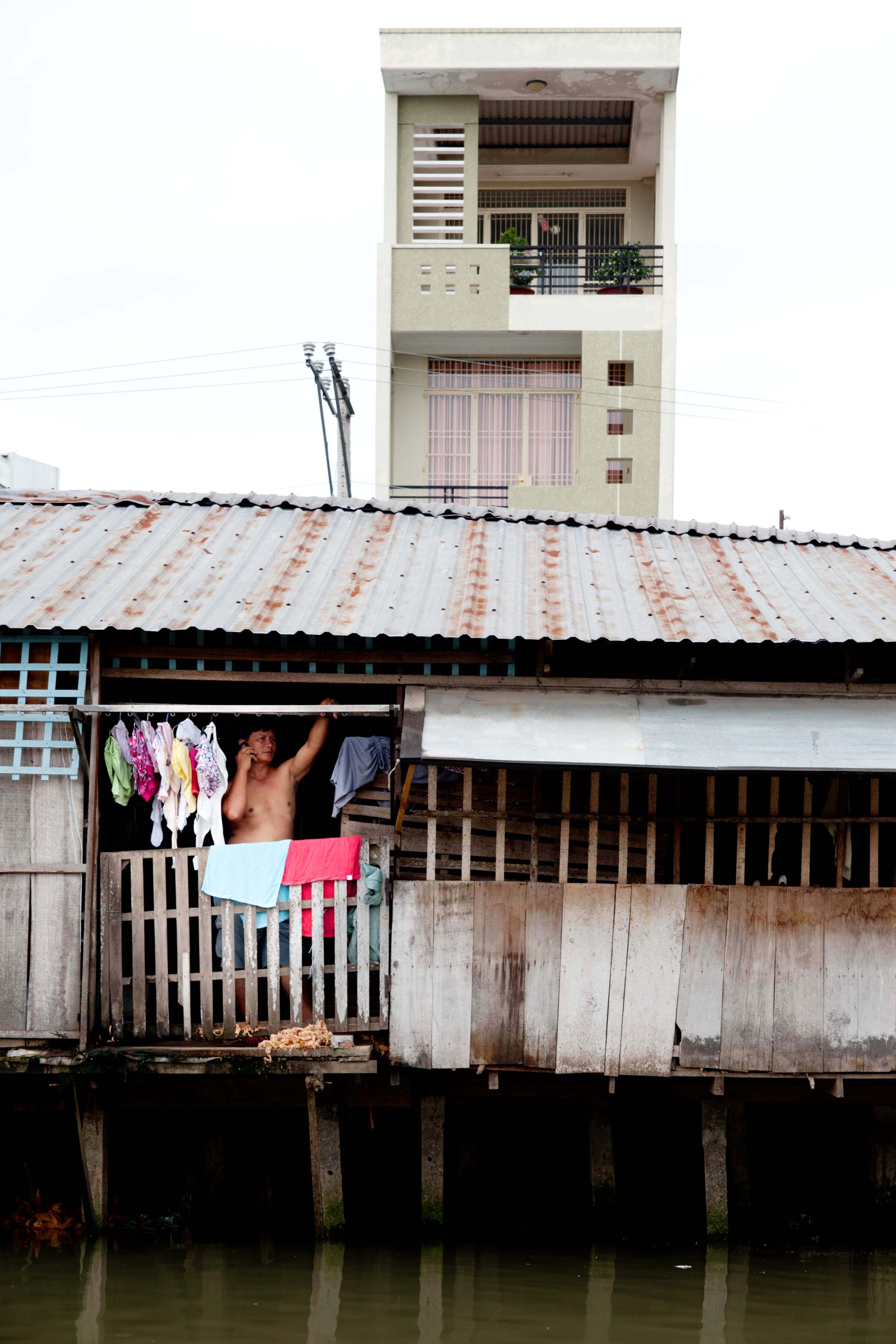
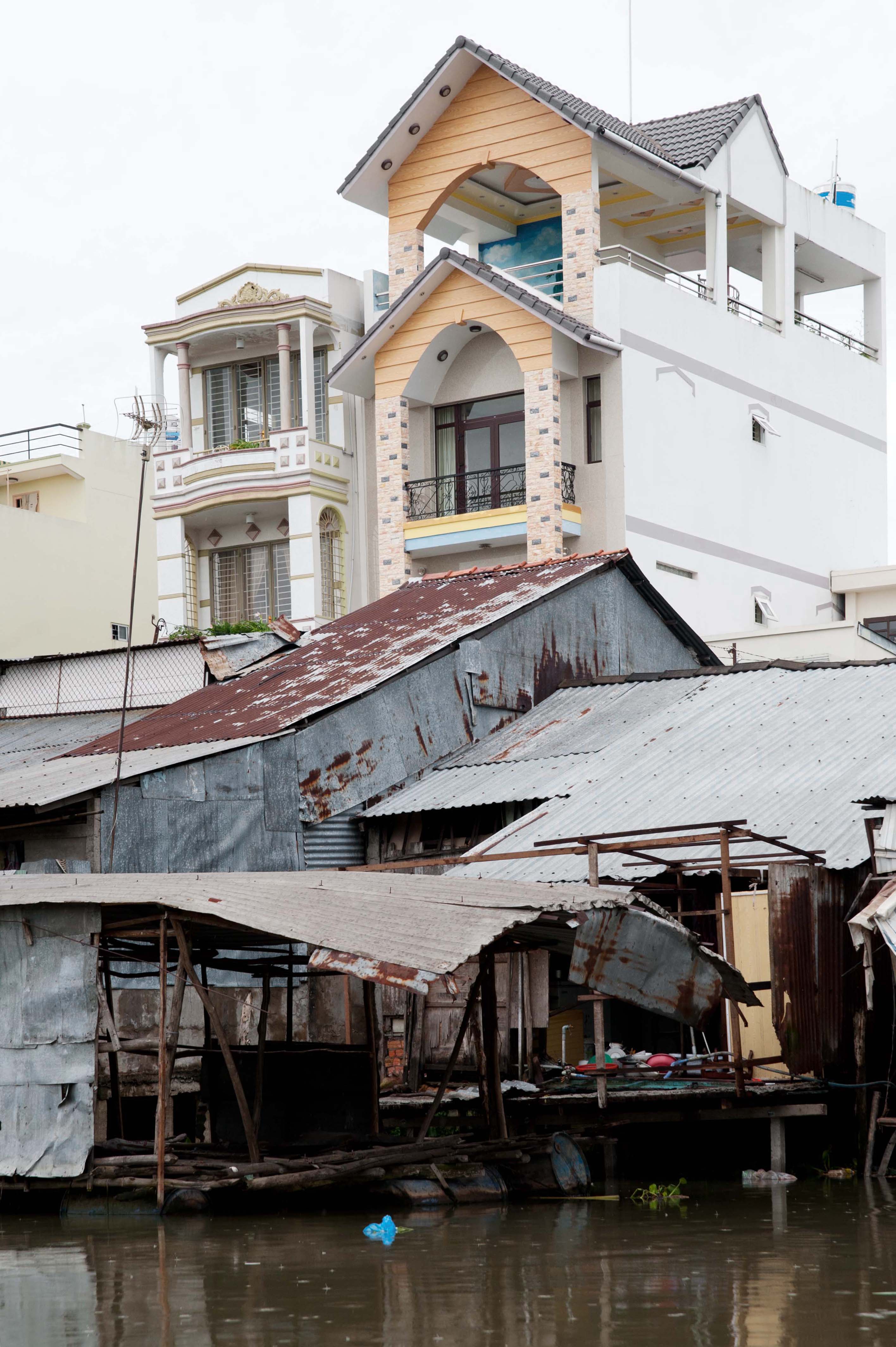
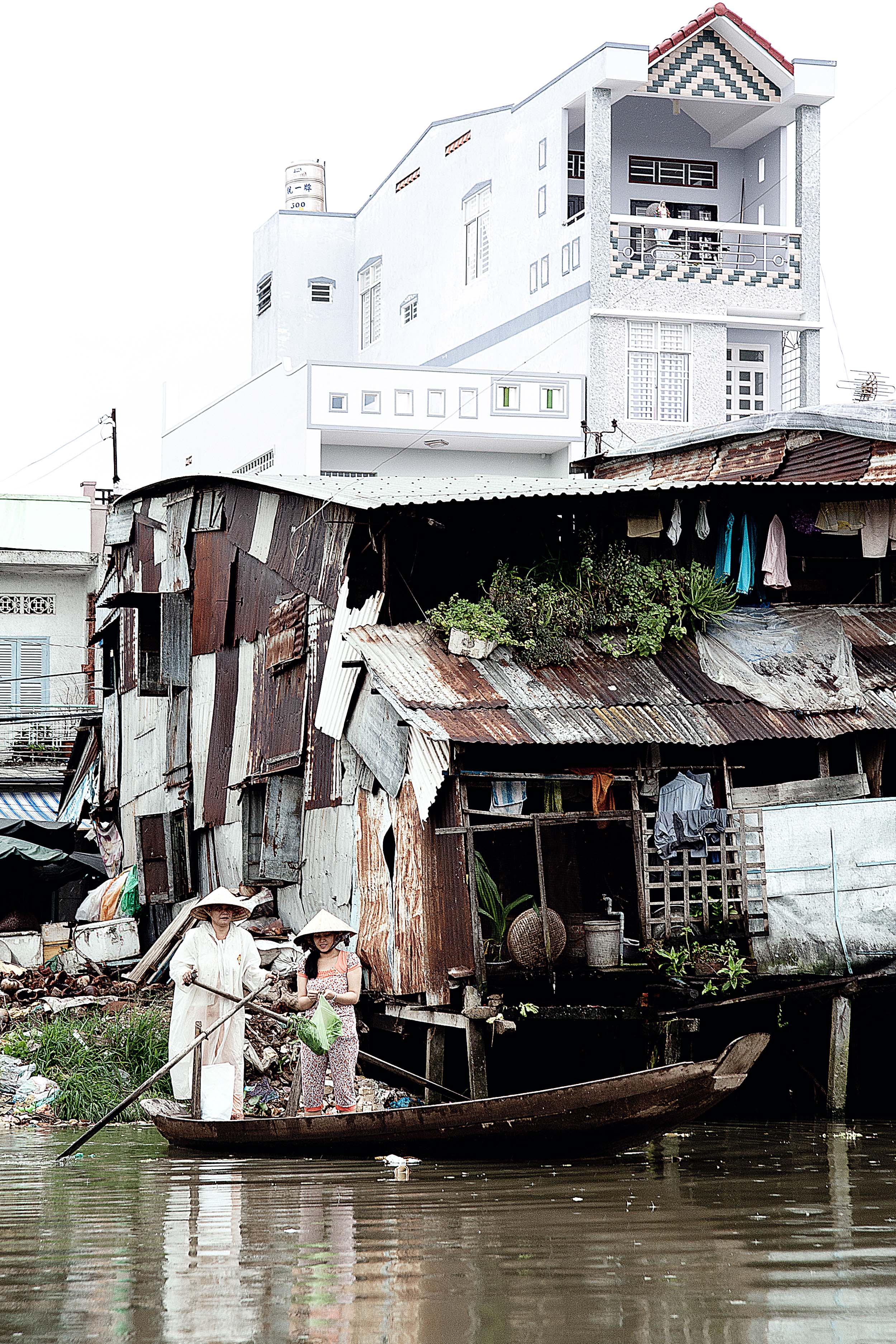
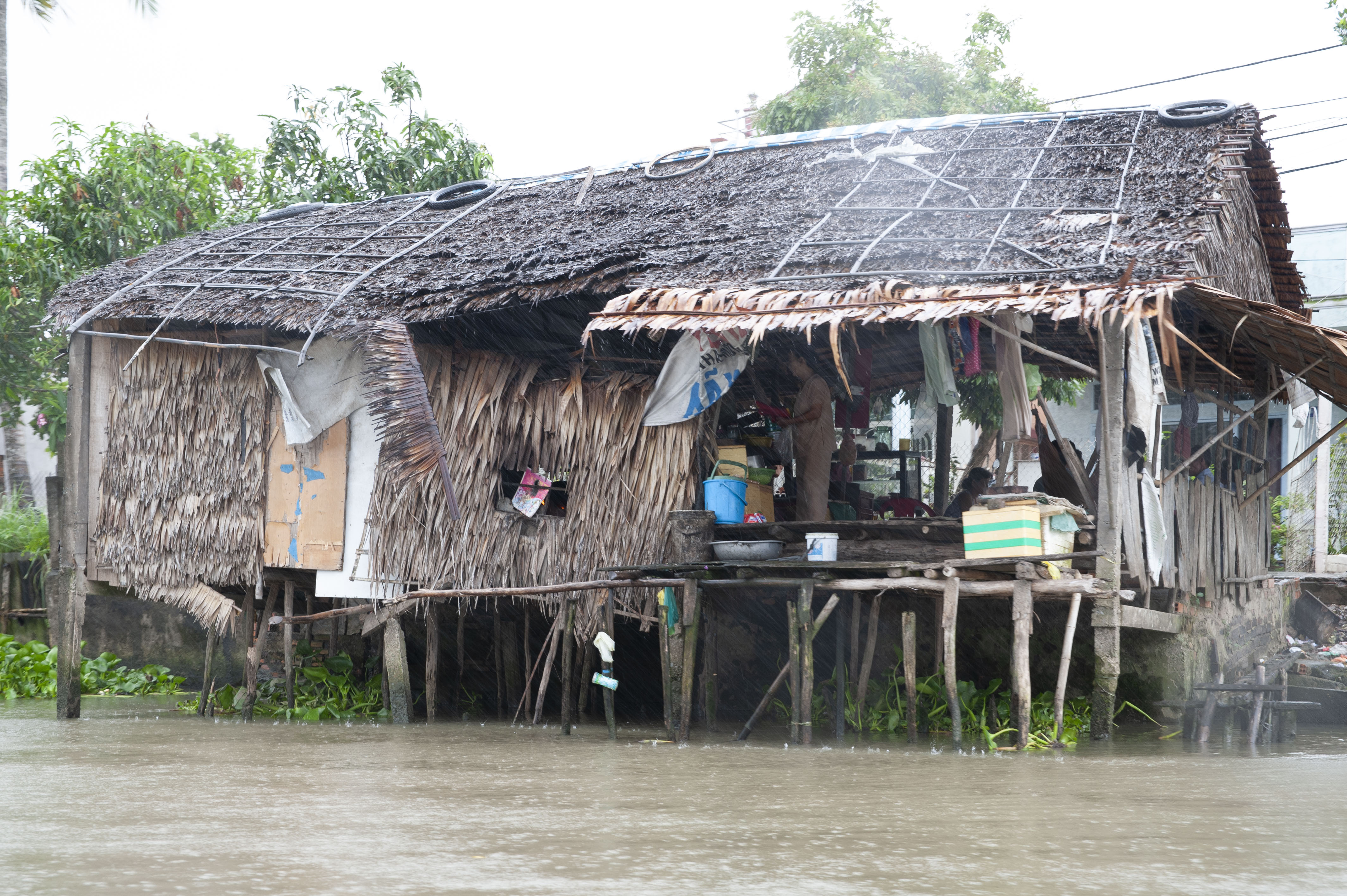
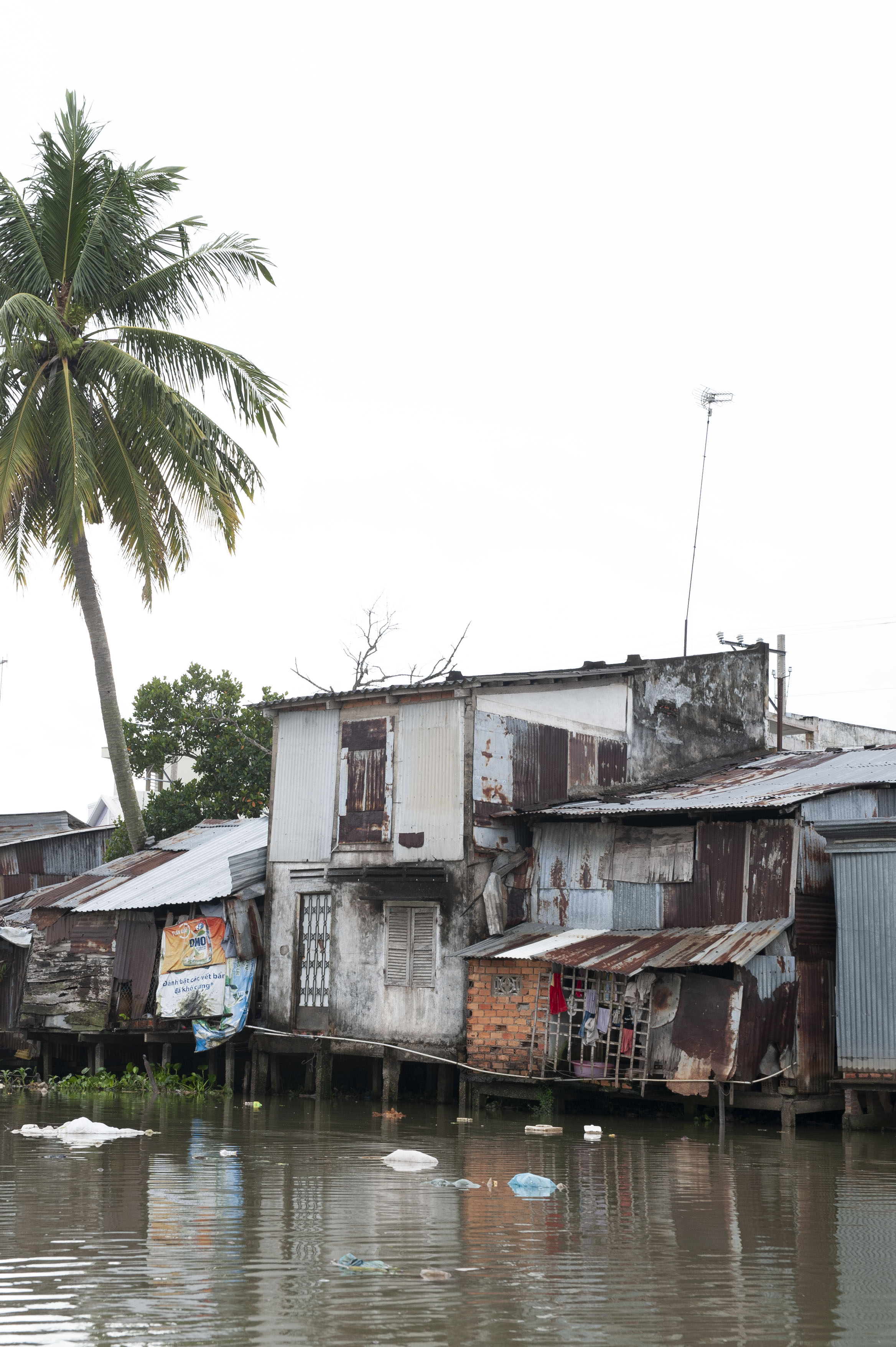
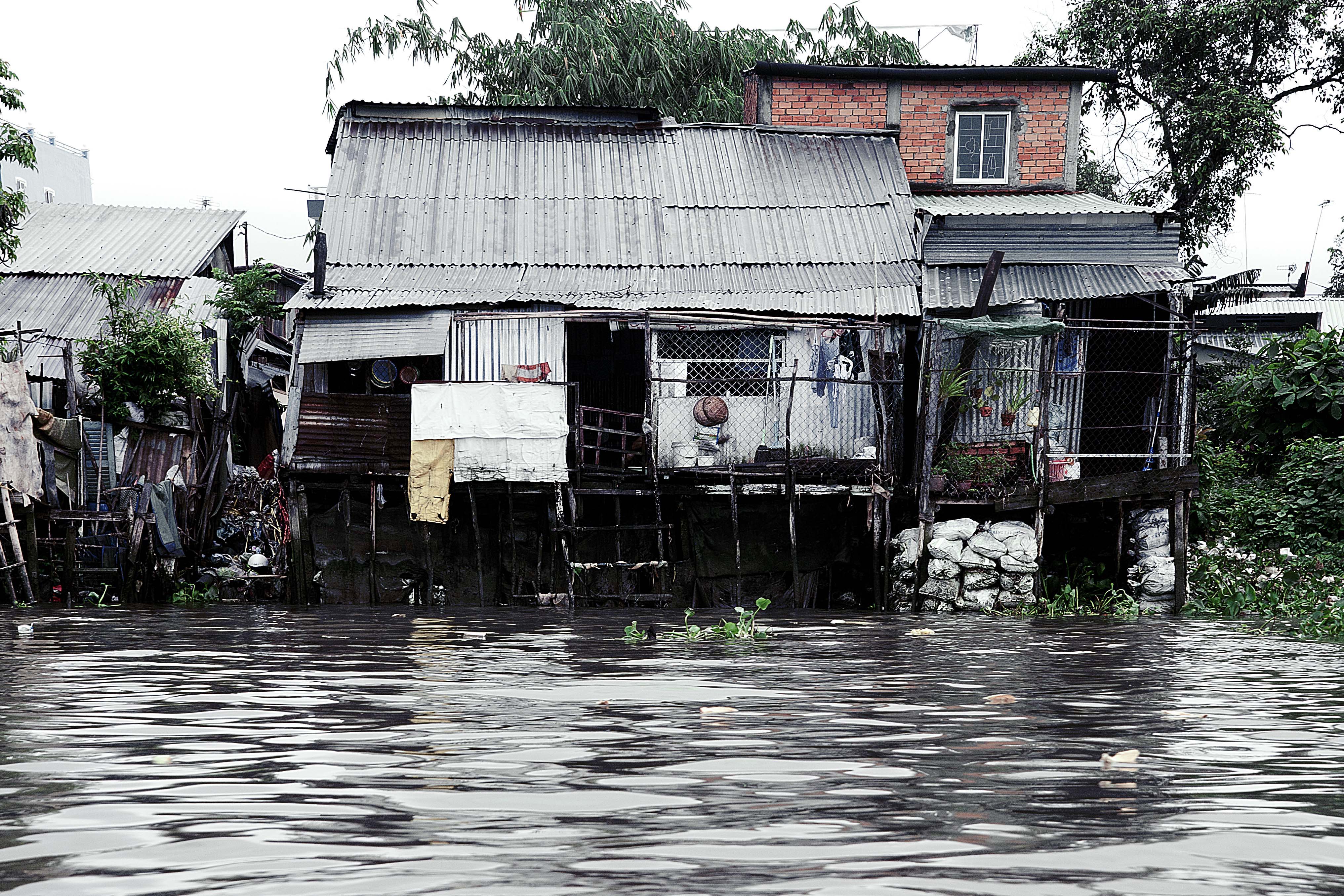
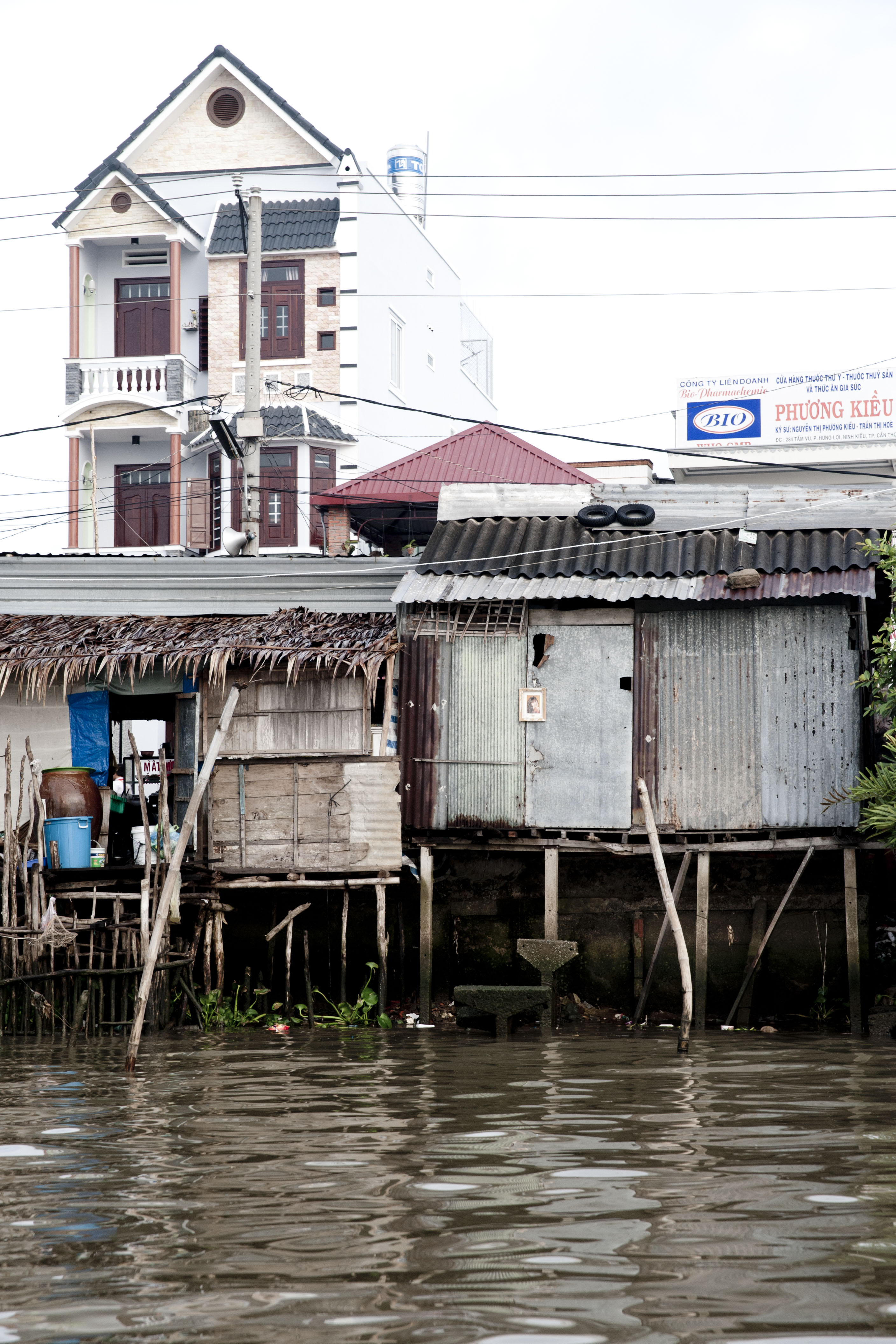
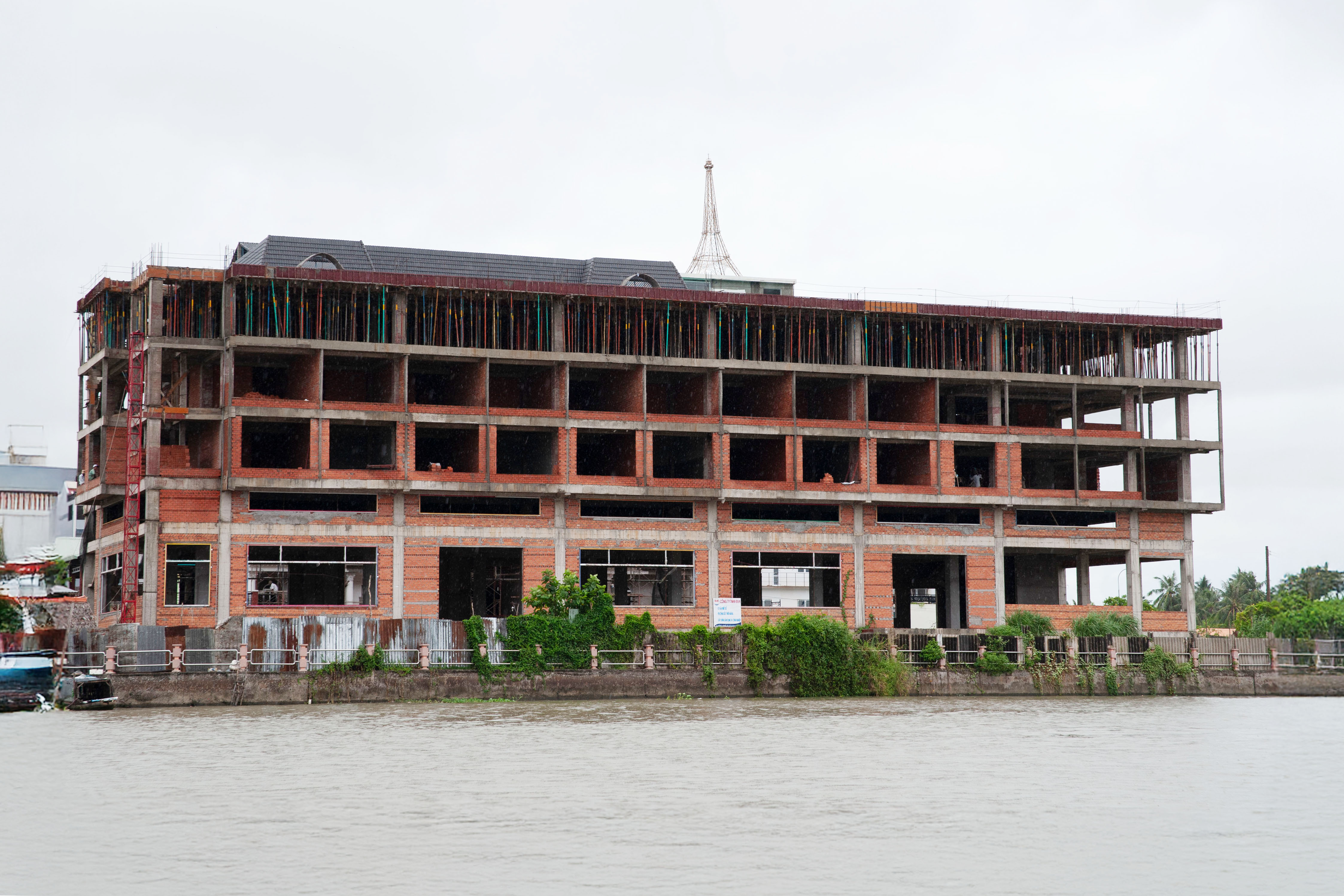
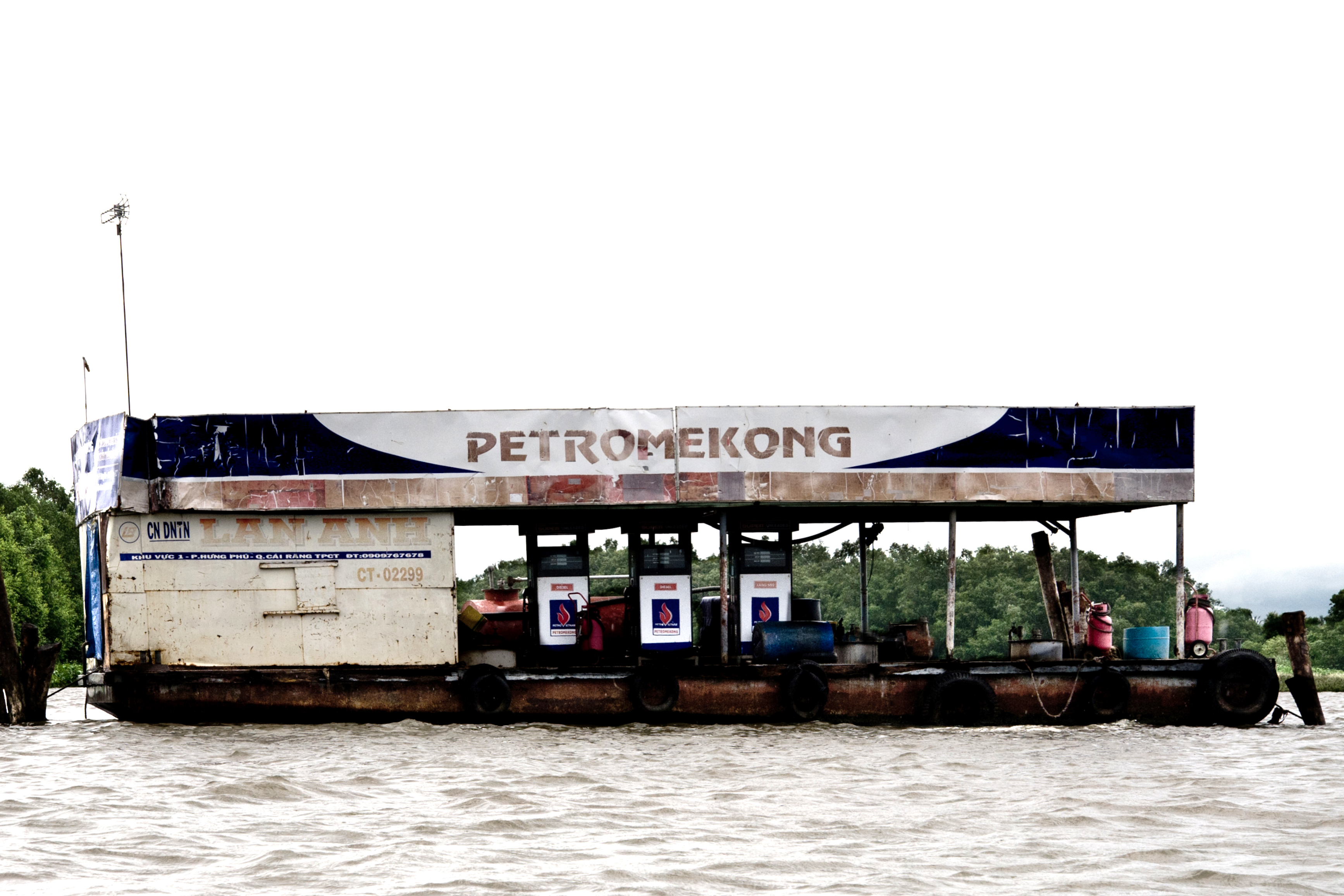
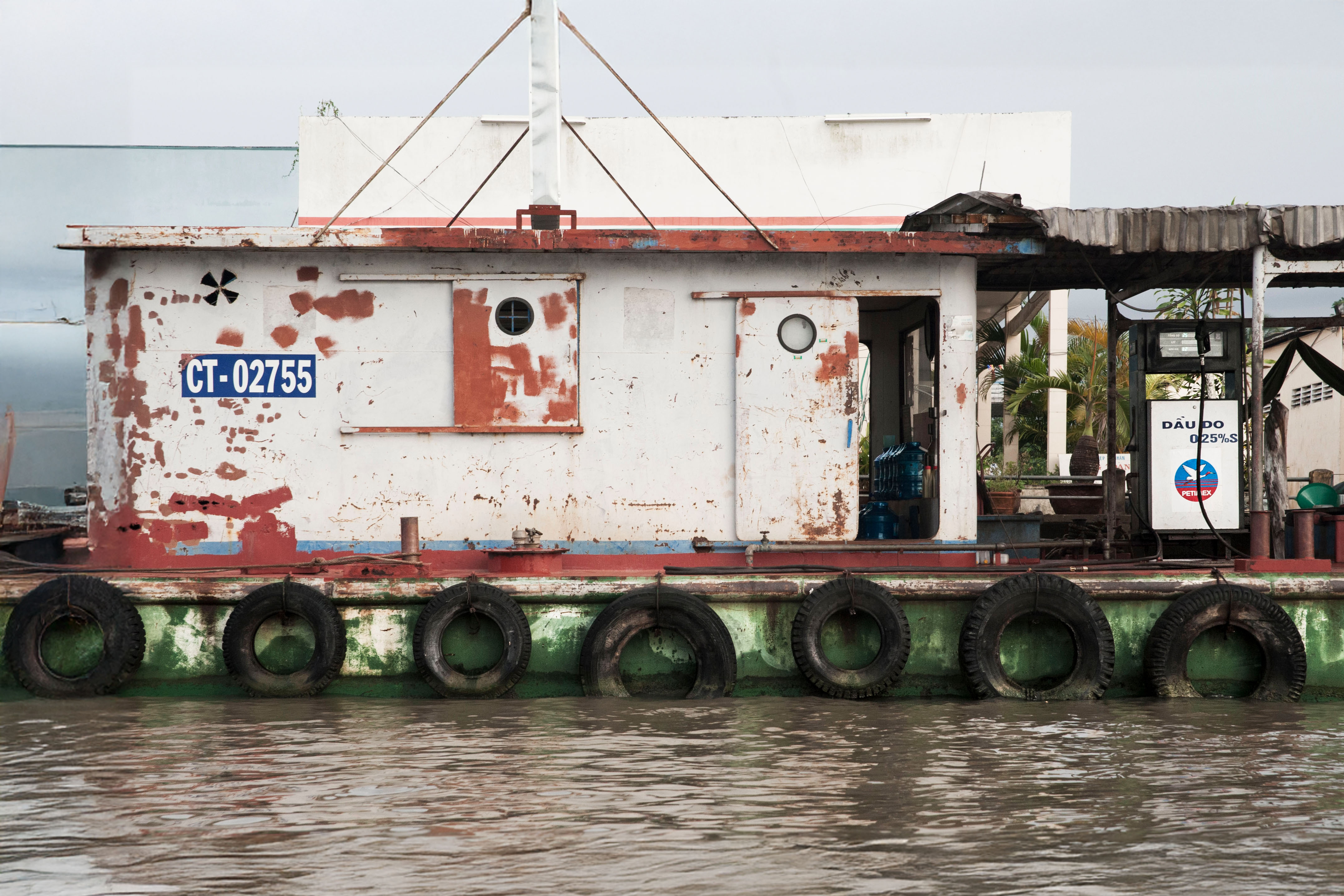
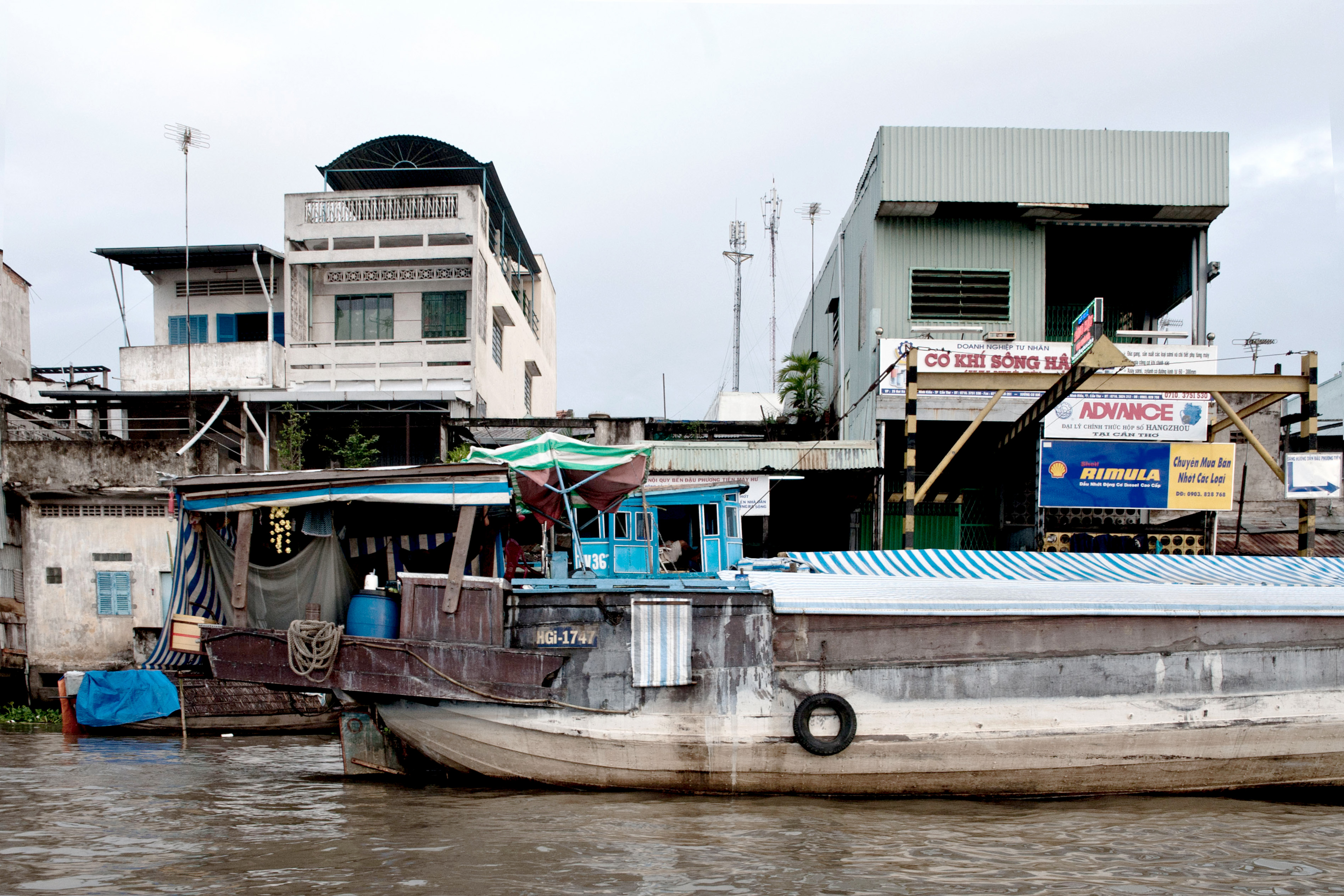
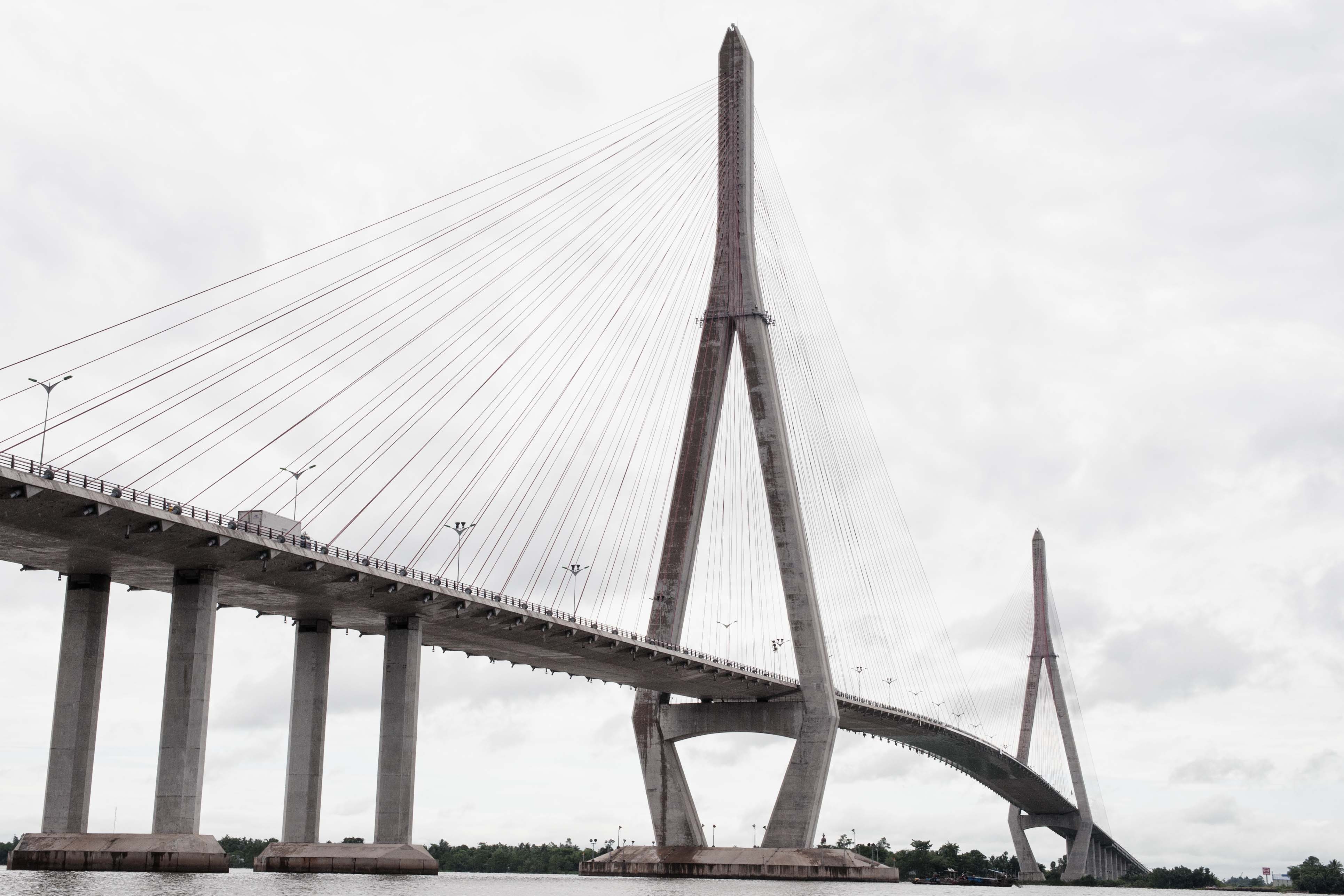
What I found was not a catastrophe in the dramatic sense. It was quieter than that — the incremental loss of something people have built their lives around. A waterline marked on a wall. A field that doesn’t grow rice anymore. A house built on stilts that barely clear the flood level. The crisis here is measured in centimetres and seasons rather than sudden events. That slowness makes it harder to photograph and harder to communicate. These images try to show what gradual loss looks like.